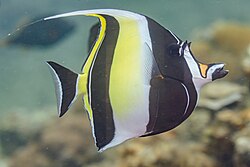
Black spots on Moorish Idol can be indicative of stress, poor water quality, or parasitic infections. These spots can be serious if left untreated, potentially leading to systemic disease. Owners should first ensure optimal water parameters and diet, as Moorish Idol are highly sensitive to environmental changes.
Moorish Idol Black Spots: Common Causes
Poor Water Quality
Most LikelyHigh ammonia or nitrite levels can stress the fish and lead to spots.
Parasitic Infections
Most LikelyIch or other parasites can cause spots as they feed on the fish's skin.
Stress
PossibleMoorish Idol are sensitive to stress from tank mates, water quality, or sudden changes.
Dietary Deficiencies
PossibleLack of essential nutrients can weaken the fish's immune system, making it more susceptible to spots.
Genetic Factors
Less CommonIn some cases, spots may be genetic and not indicative of a health issue.
How to Diagnose the Cause
Follow these steps in order. Stop when you identify a likely cause and move to treatment.
- Observe the fish's behavior and appearance for any other signs of illness.
Check for signs of aggression, loss of appetite, or changes in swimming patterns.
- Test the water parameters for ammonia, nitrite, nitrate, pH, and salinity.
Ensure the water quality meets the Moorish Idol's specific requirements.
Recommended: Water test kit - Inspect the fish for external parasites or signs of internal disease.
Use a magnifying glass to look for parasites on the skin or fins.
Recommended: Magnifying glass - Review the fish's diet and feeding schedule.
Ensure a balanced diet is provided, including a variety of live, frozen, and freeze-dried foods.
- Consult a veterinary reference specific to marine fish for more information on Moorish Idol health.
This can help identify less common causes of black spots.
Recommended: Veterinary reference book
How to Treat Moorish Idol Black Spots
- Improve water quality by performing regular water changes and maintaining optimal parameters.
Change 20-30% of the tank water weekly.
- Treat for parasites with an appropriate medication, following the instructions carefully.
Use medications like metronidazole or praziquantel, but be cautious with dosages for sensitive fish.
- Reduce stress by ensuring adequate swimming space, minimizing tank disturbances, and providing hiding spots.
Avoid aggressive tank mates and sudden changes in water temperature or lighting.
- Adjust the diet to ensure a balanced intake of vitamins and minerals.
Supplement with vitamin and mineral supplements if necessary.
- Monitor the fish closely and consult a vet if the spots do not improve or if other symptoms appear.
Early intervention is key to successful treatment.
How to Prevent Moorish Idol Black Spots
When to See a Vet
🔬 AI Symptom Checker
Not sure what's wrong? Describe your fish's symptoms to the FishCare AI and get an instant diagnosis.
Check Symptoms →Frequently Asked Questions
This guide was reviewed for biological accuracy and practical aquarium care guidance. Always test water parameters before treating a sick fish — poor water quality is the most common root cause. Consult an aquatic veterinarian if symptoms persist after 48 hours of correct treatment.
Sources: Merck Veterinary Manual — Aquarium Fishes · UF/IFAS Extension — Fish Health Management