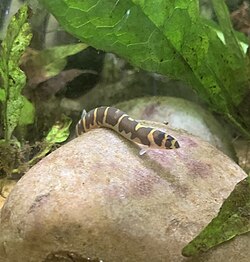
White spots on Kuhli Loaches, a sign of Ichthyophthirius multifiliis, are a serious and potentially fatal disease. Immediate action is crucial due to the intermediate care requirements of these delicate fish. Owners should understand the urgency and take steps to treat the infection promptly.
Kuhli Loach White Spots (Ich): Common Causes
Poor Water Quality
Most LikelyHigh ammonia or nitrite levels can weaken Kuhli Loaches, making them more susceptible to Ich.
Stress
PossibleStress from overcrowding, aggression, or changes in water parameters can trigger an Ich outbreak.
New Tank Syndrome
PossibleUnstable water conditions in a new tank can provide an ideal environment for Ich to thrive.
Introducing New Fish
Less CommonBringing in infected fish can introduce Ich to the tank, despite the best biosecurity measures.
How to Diagnose the Cause
Follow these steps in order. Stop when you identify a likely cause and move to treatment.
- Inspect the fish for white spots on the body and fins.
Look for salt-grain-like spots on the fish's scales, which are characteristic of Ich.
- Observe changes in behavior or appearance.
Kuhli Loaches may become less active, stop eating, or exhibit abnormal swimming patterns.
- Examine the tank environment.
Check for signs of stress or poor water quality, such as cloudy water or ammonia/nitrite spikes.
Recommended: test kit - Consider recent changes or introductions to the tank.
Reflect on any recent changes to the tank's inhabitants or water parameters.
- Consult a veterinarian specializing in aquatic life if in doubt.
A professional can confirm the diagnosis and provide treatment recommendations.
How to Treat Kuhli Loach White Spots (Ich)
- Perform a partial water change to reduce ammonia and nitrite levels, but do not disturb the biofilter.
Change 25% of the water weekly, using dechlorinated water and a water conditioner.
- Add an anti-parasitic treatment to the tank, following the manufacturer's instructions.
Use a medication like malachite green or formalin, but be cautious as it can be harmful to other tank inhabitants.
- Isolate affected fish to prevent the spread of the infection to other tank mates.
Keep the infected fish in a separate tank with the same water parameters and treat it with the same medication.
- Monitor the fish closely for signs of improvement.
Observe for a decrease in the number of spots and a return to normal behavior.
- Repeat treatment as necessary until the infection is cleared.
Follow the treatment protocol for the duration specified by the veterinarian or product instructions.
How to Prevent Kuhli Loach White Spots (Ich)
When to See a Vet
🔬 AI Symptom Checker
Not sure what's wrong? Describe your fish's symptoms to the FishCare AI and get an instant diagnosis.
Check Symptoms →Frequently Asked Questions
This guide was reviewed for biological accuracy and practical aquarium care guidance. Always test water parameters before treating a sick fish — poor water quality is the most common root cause. Consult an aquatic veterinarian if symptoms persist after 48 hours of correct treatment.
Sources: Merck Veterinary Manual — Aquarium Fishes · UF/IFAS Extension — Fish Health Management