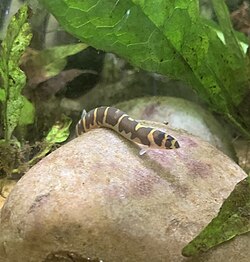
Torn or ragged fins in Kuhli Loach can result from stress, poor water quality, or diet issues. It is often a sign of underlying health problems and should be monitored closely. Owners should first ensure proper water parameters and diet before considering other causes.
Kuhli Loach Torn Fins: Common Causes
Poor Water Quality
Most LikelyAmmonia, nitrite, or nitrate levels can cause stress and fin damage.
Improper Diet
Most LikelyInsufficient or poor-quality food can lead to malnutrition and weakened fins.
Aggression
PossibleInbreeding or overcrowding can cause aggressive behavior, leading to fin damage.
Fin Rot
PossibleBacterial infections can cause fin rot, which leads to shredded fins.
External Parasites
Less CommonParasites such as anchor worms can cause fin damage, though this is less common.
How to Diagnose the Cause
Follow these steps in order. Stop when you identify a likely cause and move to treatment.
- Check the water parameters
Measure ammonia, nitrite, nitrate, pH, and temperature. Use a test kit.
Recommended: test kit - Inspect the tank for signs of aggression
Look for chasing or nipping behavior among the fish.
- Examine the fish for external parasites
Check for any visible parasites on the fish's body or fins.
- Review the diet
Ensure the Kuhli Loach is being fed a balanced, varied diet of live, frozen, and freeze-dried foods.
- Consider the tank setup
Ensure the tank is appropriately sized and decorated to reduce stress and aggression.
How to Treat Kuhli Loach Torn Fins
- Improve water quality
Perform regular water changes (25% weekly) and treat for ammonia and nitrite if necessary.
- Adjust the diet
Feed a balanced diet and consider adding supplements to support fin health.
- Address aggression
Separate aggressive fish or reduce tank population to reduce stress.
- Treat for fin rot
Use a fin rot treatment following manufacturer instructions if fin rot is suspected.
- Treat for external parasites
Use an appropriate treatment for external parasites if they are present.
How to Prevent Kuhli Loach Torn Fins
When to See a Vet
🔬 AI Symptom Checker
Not sure what's wrong? Describe your fish's symptoms to the FishCare AI and get an instant diagnosis.
Check Symptoms →Frequently Asked Questions
This guide was reviewed for biological accuracy and practical aquarium care guidance. Always test water parameters before treating a sick fish — poor water quality is the most common root cause. Consult an aquatic veterinarian if symptoms persist after 48 hours of correct treatment.
Sources: Merck Veterinary Manual — Aquarium Fishes · UF/IFAS Extension — Fish Health Management