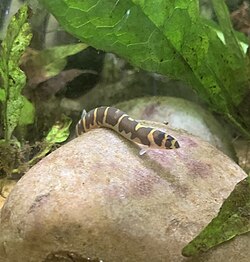
Rapid breathing in Kuhli Loaches is a critical sign of distress, often indicating a severe underlying issue. It is crucial to act promptly as this condition can lead to death. Owners should first check water parameters and the environment.
Kuhli Loach Rapid Breathing: Common Causes
Poor Water Quality
Most LikelyHigh ammonia or nitrite levels can stress the fish and cause rapid breathing.
Inadequate Oxygen
Most LikelyLow dissolved oxygen levels can lead to labored breathing.
Disease
PossibleInfections or parasites can weaken the fish, making it struggle to breathe.
Stress
PossibleStress from tank mates, overcrowding, or changes in water conditions can cause rapid breathing.
Environmental Changes
Less CommonSudden changes in water temperature or pH can cause stress and rapid breathing.
How to Diagnose the Cause
Follow these steps in order. Stop when you identify a likely cause and move to treatment.
- Test the water for ammonia, nitrite, nitrate, pH, and temperature.
Use a reliable test kit to measure these parameters.
Recommended: Water test kit - Inspect the fish for signs of injury or disease.
Look for spots, bloating, or changes in color.
- Check the tank for overcrowding or aggressive tank mates.
Ensure the tank size is appropriate for the number of fish and they are compatible.
- Monitor the water flow and aeration to ensure adequate oxygen levels.
Adjust the filter flow if necessary.
- Observe the fish's behavior over several days to identify any patterns or triggers.
Note changes in feeding, resting, or social behavior.
How to Treat Kuhli Loach Rapid Breathing
- Improve water quality by changing 25-50% of the tank water daily.
Use dechlorinated water to avoid additional stress.
- Add an aeration device if oxygen levels are low.
Use an air stone or bubbler to increase oxygenation.
- Treat for infections or parasites with appropriate medication as advised by a vet.
Follow the vet's instructions for dosage and duration.
- Reduce stress by providing hiding spots and minimizing tank disturbances.
Ensure the tank decor allows for adequate cover and territories.
- Gradually adjust water parameters if changes are needed, such as temperature or pH, to prevent shock.
How to Prevent Kuhli Loach Rapid Breathing
When to See a Vet
🔬 AI Symptom Checker
Not sure what's wrong? Describe your fish's symptoms to the FishCare AI and get an instant diagnosis.
Check Symptoms →Frequently Asked Questions
This guide was reviewed for biological accuracy and practical aquarium care guidance. Always test water parameters before treating a sick fish — poor water quality is the most common root cause. Consult an aquatic veterinarian if symptoms persist after 48 hours of correct treatment.
Sources: Merck Veterinary Manual — Aquarium Fishes · UF/IFAS Extension — Fish Health Management