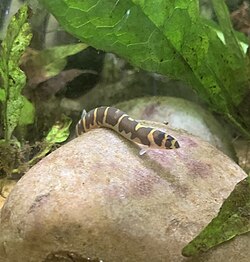
Kuhli Loaches may stop eating due to stress, illness, or changes in environment. This can be a sign of underlying health issues and requires prompt attention. Owners should first assess the tank conditions and recent changes to the environment.
Kuhli Loach Not Eating: Common Causes
Stress from Tank Environment
Most LikelyChanges in water parameters, aggressive tankmates, or overcrowding can cause stress.
Illness or Infection
Most LikelySymptoms like fin rot, ich, or internal parasites can lead to loss of appetite.
Poor Diet or Water Quality
PossibleUnhealthy or unsuitable food, or poor water quality can discourage feeding.
Reproductive Cycle
PossibleFemale Kuhli Loaches may stop eating during spawning season.
Age or Behavior
Less CommonOlder fish may naturally eat less, or the nocturnal behavior may affect feeding times.
How to Diagnose the Cause
Follow these steps in order. Stop when you identify a likely cause and move to treatment.
- Check water parameters for ammonia, nitrite, and nitrate levels.
Ensure they are within the optimal range for Kuhli Loaches.
Recommended: test kit - Inspect the fish for signs of disease, such as spots, fin damage, or bloating.
Use a magnifying glass for a closer look.
- Observe tankmates and assess their behavior for aggression or bullying.
Ensure there is no harassment from other fish.
- Evaluate the diet and food quality to ensure it is appropriate for Kuhli Loaches.
Check for expired or inappropriate food items.
- Consider recent changes to the tank, such as new decorations or plants.
Changes can stress fish and affect their feeding behavior.
How to Treat Kuhli Loach Not Eating
- Improve water quality by performing regular water changes and maintaining a stable environment.
- Feed high-quality, easily digestible food and offer it several times a day in small portions.
- Remove aggressive tankmates or provide a separate feeding area if necessary.
- Treat any detected diseases with appropriate medication, following instructions carefully.
- Monitor the fish's response to the changes and consult a veterinarian if the problem persists.
How to Prevent Kuhli Loach Not Eating
When to See a Vet
🔬 AI Symptom Checker
Not sure what's wrong? Describe your fish's symptoms to the FishCare AI and get an instant diagnosis.
Check Symptoms →Frequently Asked Questions
This guide was reviewed for biological accuracy and practical aquarium care guidance. Always test water parameters before treating a sick fish — poor water quality is the most common root cause. Consult an aquatic veterinarian if symptoms persist after 48 hours of correct treatment.
Sources: Merck Veterinary Manual — Aquarium Fishes · UF/IFAS Extension — Fish Health Management