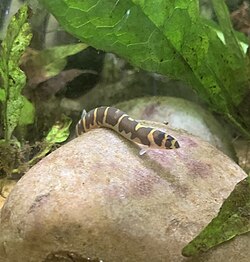
Excess mucus coating in Kuhli Loaches can indicate stress, disease, or poor water quality. It is a serious sign as it can lead to secondary infections. Owners should first ensure optimal conditions are met for this species, then address potential causes promptly.
Kuhli Loach Mucus Coating: Common Causes
Poor Water Quality
Most LikelyHigh ammonia or nitrite levels can stress Kuhli Loaches, causing excessive mucus production.
Infection
Most LikelyBacterial, fungal, or parasitic infections can cause a thick mucus coating.
Stress
PossibleSudden changes in water parameters, aggression from tankmates, or inadequate cover can stress Kuhli Loaches and trigger mucus overproduction.
Dietary Issues
PossibleUnbalanced diet or lack of nutrition can lead to weakened immune systems, making Kuhli Loaches more susceptible to stress and infections.
Environmental Factors
Less CommonOvercrowding or insufficient water flow can also stress Kuhli Loaches and lead to increased mucus production.
How to Diagnose the Cause
Follow these steps in order. Stop when you identify a likely cause and move to treatment.
- Perform a water test
Check for ammonia, nitrite, nitrate, pH, and temperature levels.
Recommended: Water test kit - Inspect the fish for external signs
Look for signs of lumps, spots, or wounds which may indicate infection.
- Observe tankmates for similar symptoms
Infections can spread among fish, so look for signs in others as well.
- Evaluate tank conditions
Assess water flow, tank size, and the presence of hiding spots.
- Consider dietary and environmental factors
Check if the diet is balanced and if the environment meets Kuhli Loaches' specific needs.
How to Treat Kuhli Loach Mucus Coating
- Improve water quality
Increase water changes, adjust pH and temperature, and use dechlorinator if necessary.
- Treat with appropriate medication
Consult a vet for the best treatment options if an infection is suspected.
- Stress reduction
Remove aggressive tankmates, provide additional cover, and avoid sudden changes in conditions.
- Adjust diet
Ensure a balanced diet rich in nutrients to support the fish's immune system.
- Monitor fish regularly
Continue to monitor for signs of improvement or worsening conditions to assess the effectiveness of treatments.
How to Prevent Kuhli Loach Mucus Coating
When to See a Vet
🔬 AI Symptom Checker
Not sure what's wrong? Describe your fish's symptoms to the FishCare AI and get an instant diagnosis.
Check Symptoms →Frequently Asked Questions
This guide was reviewed for biological accuracy and practical aquarium care guidance. Always test water parameters before treating a sick fish — poor water quality is the most common root cause. Consult an aquatic veterinarian if symptoms persist after 48 hours of correct treatment.
Sources: Merck Veterinary Manual — Aquarium Fishes · UF/IFAS Extension — Fish Health Management