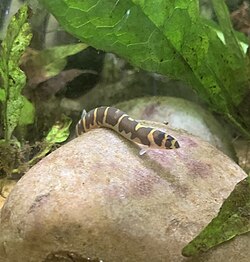
Fuzzy white growth on a Kuhli Loach is a fungal infection that can spread rapidly. It is often caused by stress, poor water quality, or overcrowding. This condition is urgent as it can lead to severe health issues. Owners should first ensure their Kuhli Loaches are in a suitable environment with the correct water parameters.
Kuhli Loach Fuzzy Growth: Common Causes
Poor Water Quality
Most LikelyHigh levels of ammonia, nitrite, or nitrate can stress the fish, making them more susceptible to fungal infections.
Overcrowding
PossibleA crowded tank can lead to increased stress and aggression, which in turn can cause fungal growth.
Stressful Environment
PossibleChanges in water parameters, tank decorations, or aggressive tankmates can stress Kuhli Loaches and facilitate fungal infections.
Improper Diet
Less CommonA lack of proper nutrition can weaken the immune system, making the fish more prone to infections.
Physical Trauma
Less CommonInjury from tank mates or decorations can create an entry point for fungi.
How to Diagnose the Cause
Follow these steps in order. Stop when you identify a likely cause and move to treatment.
- Inspect the affected areas for cotton-like white or grey growth.
Look for fuzzy, cottony patches on the body, mouth, or fins.
- Check the water parameters for ammonia, nitrite, nitrate, pH, and temperature.
Ensure the water quality is within the optimal range for Kuhli Loaches.
Recommended: pH test kit, ammonia and nitrite test kit - Observe the behavior of the Kuhli Loach.
Look for signs of stress such as loss of appetite, hiding, or abnormal swimming patterns.
- Inspect the tank for any potential stressors or sources of injury.
Check for broken decorations, aggressive tankmates, or rapid water changes.
- Consider the diet and health history of the Kuhli Loach.
Ensure the fish is receiving a balanced diet and has not been recently stressed or exposed to disease.
How to Treat Kuhli Loach Fuzzy Growth
- Improve water quality by performing frequent water changes (20-30% every 2-3 days).
Target a pH of 5.5–6.5 and maintain a temperature of 24–28°C.
- Add a broad-spectrum anti-fungal treatment to the tank.
Follow the instructions on the treatment package.
- Remove any stressors from the tank, such as aggressive tankmates or broken decorations.
Ensure the tank is peaceful and the water conditions are stable.
- Consider adding a biological filter to help reduce stress and improve water quality.
This can also help maintain a healthy ecosystem in the tank.
- Monitor the Kuhli Loach for any signs of improvement or worsening of the condition.
Adjust the treatment plan as needed based on the response of the fish.
How to Prevent Kuhli Loach Fuzzy Growth
When to See a Vet
🔬 AI Symptom Checker
Not sure what's wrong? Describe your fish's symptoms to the FishCare AI and get an instant diagnosis.
Check Symptoms →Frequently Asked Questions
This guide was reviewed for biological accuracy and practical aquarium care guidance. Always test water parameters before treating a sick fish — poor water quality is the most common root cause. Consult an aquatic veterinarian if symptoms persist after 48 hours of correct treatment.
Sources: Merck Veterinary Manual — Aquarium Fishes · UF/IFAS Extension — Fish Health Management