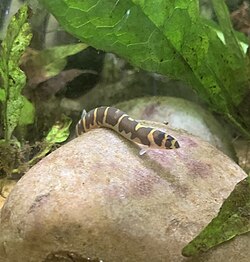
Floating at the surface in Kuhli Loaches is a critical sign indicating a serious health issue. It can be life-threatening if not addressed promptly. Owners should first check for environmental stressors and then consider the possibility of internal diseases or infections.
Kuhli Loach Floating at Surface: Common Causes
Poor Water Quality
Most LikelyHigh ammonia or nitrite levels can cause stress, leading to surface floating.
Internal Infection
Most LikelyBacterial or parasitic infections can impair the fish's ability to swim normally.
Prolonged Dehydration
PossibleLack of water intake can lead to surface floating as a response to dehydration.
Stress
PossibleStress from tank mates, overcrowding, or sudden changes in water parameters can cause surface floating.
Neurological Disorders
Less CommonConditions affecting the nervous system can impair the fish's ability to swim and dive properly.
How to Diagnose the Cause
Follow these steps in order. Stop when you identify a likely cause and move to treatment.
- Check the water parameters for ammonia, nitrite, and nitrate levels using a test kit.
Ensure the water is within the optimal range for Kuhli Loaches (ammonia and nitrite at 0 ppm, nitrate below 20 ppm).
Recommended: Water test kit - Inspect the fish for external signs of injury, parasites, or bloating.
Look for any visible abnormalities that might indicate an infection or injury.
- Observe the fish's behavior and movement patterns in the water.
Note if the fish is swimming erratically or if it seems to be struggling to maintain balance.
- Consider the fish's diet and recent changes to its feeding schedule.
Ensure the diet is balanced and not overly rich in protein, which can lead to bloating and swim bladder issues.
- Monitor the tank environment for stressors such as loud noises or aggression from tank mates.
Stress can exacerbate health issues and lead to surface floating.
How to Treat Kuhli Loach Floating at Surface
- Improve water quality by performing regular water changes and treating ammonia and nitrite spikes with appropriate water treatments.
Change 25% of the tank water daily until parameters are stable.
- Administer an appropriate antibiotic or anti-parasitic treatment as recommended by a veterinarian.
Follow the vet's instructions carefully and monitor the fish's response.
- Ensure the fish has access to a hiding place to reduce stress.
Provide plenty of vegetation and decorations for the fish to hide and feel secure.
- Adjust the diet to include easily digestible foods and reduce the amount of protein if bloating is suspected.
Feed smaller, more frequent meals and offer a varied diet.
- Remove any stressors from the tank environment and provide a calm and quiet space for the fish.
Monitor interactions with tank mates and adjust the tank setup if necessary.
How to Prevent Kuhli Loach Floating at Surface
When to See a Vet
🔬 AI Symptom Checker
Not sure what's wrong? Describe your fish's symptoms to the FishCare AI and get an instant diagnosis.
Check Symptoms →Frequently Asked Questions
This guide was reviewed for biological accuracy and practical aquarium care guidance. Always test water parameters before treating a sick fish — poor water quality is the most common root cause. Consult an aquatic veterinarian if symptoms persist after 48 hours of correct treatment.
Sources: Merck Veterinary Manual — Aquarium Fishes · UF/IFAS Extension — Fish Health Management