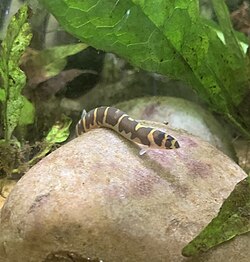
Fin rot in Kuhli Loach, Pangio kuhlii, is a serious condition where bacterial infection leads to the deterioration of their delicate fins. Immediate attention is crucial to prevent further damage and potential death. Kuhli Loaches are sensitive to water quality and stress, making this condition urgent and requiring prompt action.
Kuhli Loach Fin Rot: Common Causes
Poor Water Quality
Most LikelyAmmonia, nitrite, and nitrate levels above the safe range can stress the fish and weaken their immune system, making them susceptible to fin rot.
Injuries
PossiblePhysical injuries to the fins can allow bacteria to enter the wound, leading to infection.
Dietary Issues
PossibleInadequate diet or overfeeding can lead to poor health and a weakened immune system, making the fish more prone to fin rot.
Poor Tank Mates
PossibleAggressive tank mates can injure the Kuhli Loach, leading to fin rot.
Stress
Less CommonStress from tank overcrowding, changes in water parameters, or lack of cover can weaken the Kuhli Loach's immune system, increasing the risk of fin rot.
How to Diagnose the Cause
Follow these steps in order. Stop when you identify a likely cause and move to treatment.
- Inspect the fish's fins for signs of rot, such as discolored or ragged edges, and any redness or inflammation.
Use a magnifying glass if necessary to observe the fin edges closely.
Recommended: magnifying glass - Test the water quality parameters including ammonia, nitrite, nitrate, pH, and temperature.
Ensure all parameters are within the ideal range for Kuhli Loaches.
Recommended: water test kit - Observe the fish's behavior and overall health for any signs of stress or other issues that might contribute to fin rot.
Check for any changes in appetite, swimming patterns, or hiding behavior.
- Look for signs of other fish in the tank that might be responsible for the injury, such as aggression or bullying behavior.
Address any issues with tank mates to prevent further injuries.
- Examine the fish's diet to ensure it is balanced and not contributing to obesity or poor health.
Consider consulting with a vet or fish nutritionist if dietary adjustments are needed.
How to Treat Kuhli Loach Fin Rot
- Improve water quality by increasing the frequency of water changes and ensuring a consistent temperature and pH level.
Target a 25-30% water change every 1-2 weeks.
- Administer an appropriate antibiotic, as recommended by a vet, to treat the bacterial infection.
Follow the vet's instructions on dosage and duration.
- Provide the Kuhli Loach with a stress-free environment by ensuring it has enough cover and minimizing tank overcrowding.
Remove any aggressive tank mates if necessary.
- Adjust the diet to ensure proper nutrition and prevent overfeeding.
Offer a varied diet with high-quality foods and avoid excess food in the tank.
- Monitor the fish closely for signs of improvement or worsening of the condition, adjusting treatment as needed.
Keep a daily log of the fish's health and any changes in behavior or appearance.
How to Prevent Kuhli Loach Fin Rot
When to See a Vet
🔬 AI Symptom Checker
Not sure what's wrong? Describe your fish's symptoms to the FishCare AI and get an instant diagnosis.
Check Symptoms →Frequently Asked Questions
This guide was reviewed for biological accuracy and practical aquarium care guidance. Always test water parameters before treating a sick fish — poor water quality is the most common root cause. Consult an aquatic veterinarian if symptoms persist after 48 hours of correct treatment.
Sources: Merck Veterinary Manual — Aquarium Fishes · UF/IFAS Extension — Fish Health Management