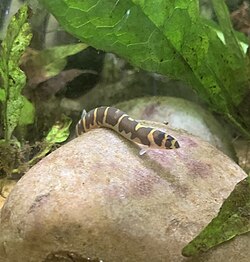
Kuhli Loach coughing or spitting is often due to stress or infection, which can be serious if not addressed promptly. As intermediate-level care is required, owners must be vigilant about water quality and diet. First, ensure the fish is not stressed by providing adequate cover and minimal tank disturbances.
Kuhli Loach Coughing or Spitting: Common Causes
Stress
Most LikelyHigh stress from tank overcrowding, water quality issues, or sudden changes in water parameters can trigger coughing or spitting.
Infection
Most LikelyBacterial or parasitic infections can cause respiratory issues leading to coughing or spitting.
Poor Diet
PossibleA diet lacking in necessary nutrients or containing harmful substances can irritate the fish's mouth and throat.
External Trauma
PossiblePhysical injury from tank furnishings or other fish can cause discomfort and lead to spitting.
Water Quality Issues
Less CommonPoor water quality, including high ammonia or nitrite levels, can stress the fish and cause coughing or spitting.
How to Diagnose the Cause
Follow these steps in order. Stop when you identify a likely cause and move to treatment.
- Observe the fish's behavior and water quality.
Note any signs of stress, aggression, or changes in water parameters.
- Perform a visual inspection of the fish for signs of injury or infection.
Look for lesions, spots, or discoloration on the body and fins.
- Test water parameters for ammonia, nitrite, and nitrate levels.
Use a water test kit to check these parameters.
Recommended: Water test kit - Consider a microscopic examination of mucus or discharge if visible.
This can help identify parasites or bacterial infections.
Recommended: Microscope - Record the fish's diet and recent changes to it.
This helps in identifying dietary causes.
How to Treat Kuhli Loach Coughing or Spitting
- Improve water quality by performing regular water changes and maintaining appropriate ammonia, nitrite, and nitrate levels.
Water changes should be done 20-30% weekly.
- Reduce stress by providing more hiding spots and minimizing tank disturbances.
Ensure there are enough plants and decor to create a secure environment.
- Adjust the diet to include high-quality, varied foods.
Feeding a balanced diet rich in vitamins and minerals can support overall health.
- If infection is suspected, treat with appropriate medications.
Follow the instructions on the medication carefully.
- Monitor the fish's progress closely and continue treatment until symptoms resolve.
Keep a close eye on the fish's behavior and recovery.
How to Prevent Kuhli Loach Coughing or Spitting
When to See a Vet
🔬 AI Symptom Checker
Not sure what's wrong? Describe your fish's symptoms to the FishCare AI and get an instant diagnosis.
Check Symptoms →Frequently Asked Questions
This guide was reviewed for biological accuracy and practical aquarium care guidance. Always test water parameters before treating a sick fish — poor water quality is the most common root cause. Consult an aquatic veterinarian if symptoms persist after 48 hours of correct treatment.
Sources: Merck Veterinary Manual — Aquarium Fishes · UF/IFAS Extension — Fish Health Management