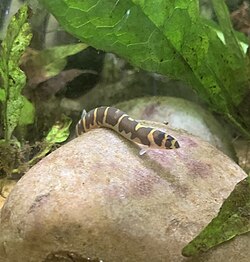
A bloated or swollen abdomen in Kuhli Loach is a serious issue often indicating internal problems. This condition can be life-threatening and requires immediate attention. Owners should first assess the fish's environment and diet, ensuring optimal conditions and a balanced diet.
Kuhli Loach Bloated or Swollen: Common Causes
Poor Diet
Most LikelyOverfeeding or a diet high in protein can lead to bloating.
Internal Parasites
Most LikelyParasitic infections can cause bloating and internal damage.
Gastrointestinal Blockage
PossibleIngestion of foreign objects can block the digestive tract.
Bacterial Infections
PossibleInfections such as Aeromonas or Pseudomonas can cause bloating.
Endocrine Disorders
Less CommonConditions like hypogonadism can lead to bloating and swelling.
How to Diagnose the Cause
Follow these steps in order. Stop when you identify a likely cause and move to treatment.
- Inspect the fish's diet
Ensure the diet is balanced and not overfeeding.
- Check the water quality
Evaluate ammonia, nitrite, and nitrate levels.
Recommended: test kit - Look for signs of parasites
Check for external parasites or signs of internal parasites.
Recommended: microscope - Assess the fish's environment
Ensure the tank has proper temperature and pH levels.
- Monitor for other symptoms
Observe for loss of appetite, aggression, or changes in swimming patterns.
How to Treat Kuhli Loach Bloated or Swollen
- Adjust the diet
Feeding a high-fiber diet and reducing protein intake can help alleviate bloating.
- Treat for parasites
Use appropriate medications as directed by a vet for internal parasites.
- Improve water quality
Perform regular water changes and maintain optimal water parameters.
- Administer antibiotics
For bacterial infections, use antibiotics prescribed by a vet.
- Monitor the fish's recovery
Keep a close eye on the fish's response to treatment and overall health.
How to Prevent Kuhli Loach Bloated or Swollen
When to See a Vet
🔬 AI Symptom Checker
Not sure what's wrong? Describe your fish's symptoms to the FishCare AI and get an instant diagnosis.
Check Symptoms →Frequently Asked Questions
This guide was reviewed for biological accuracy and practical aquarium care guidance. Always test water parameters before treating a sick fish — poor water quality is the most common root cause. Consult an aquatic veterinarian if symptoms persist after 48 hours of correct treatment.
Sources: Merck Veterinary Manual — Aquarium Fishes · UF/IFAS Extension — Fish Health Management