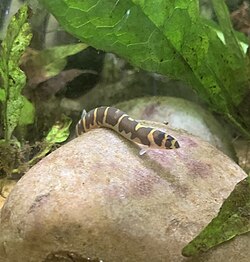
Black spots on Kuhli Loaches are often a sign of stress or infection, which can be serious if left untreated. These loaches are sensitive to water quality and stress, making timely diagnosis and care crucial. Owners should first ensure the tank conditions are optimal for their Kuhli Loaches.
Kuhli Loach Black Spots: Common Causes
Poor Water Quality
Most LikelyAmmonia, nitrite, and nitrate levels above acceptable levels can stress the fish and lead to black spot disease.
Bacterial Infection
Most LikelyGram-negative bacteria, such as Aeromonas, can cause black spots, especially in stressed fish.
Poor Diet
PossibleA diet lacking in variety or with low nutritional value can weaken the immune system, making the fish more susceptible to infections.
Physical Trauma
PossibleInjuries from tank mates or decorations can lead to secondary infections and black spot formation.
Environmental Stress
Less CommonSudden changes in water parameters, overcrowding, or aggressive tank mates can stress the fish and trigger black spots.
How to Diagnose the Cause
Follow these steps in order. Stop when you identify a likely cause and move to treatment.
- Inspect the tank for signs of aggression or poor water quality.
Look for cloudy water, debris, or signs of fighting among the fish.
- Check the water parameters for ammonia, nitrite, nitrate, pH, and temperature.
Use a reliable test kit to measure these parameters.
Recommended: Water test kit - Observe the Kuhli Loach's behavior and appearance for any other signs of illness.
Note changes in appetite, swimming patterns, or any other abnormal behaviors.
- Examine the Kuhli Loach's body for black spots on the fins, body, or skin.
Look for dark, circular spots that may have a raised or ulcerated appearance.
- Take a sample of the affected area for further analysis if necessary.
This can be done by gently scraping the spot with a sterile needle and examining it under a microscope.
Recommended: Sterile needle, microscope
How to Treat Kuhli Loach Black Spots
- Improve water quality by performing regular water changes and maintaining appropriate parameters.
Change 20-30% of the tank water weekly.
- Treat the tank with an antibacterial or antiprotozoal medication as recommended by a veterinarian.
Follow the dosage instructions carefully.
- Ensure the Kuhli Loach is fed a balanced diet with high-quality food to support its immune system.
Offer a variety of foods including freeze-dried, live, and frozen options.
- Remove any aggressive tank mates or decorations that may be causing stress.
Provide plenty of hiding spots to reduce stress.
- Monitor the fish closely for any improvement or recurrence of symptoms.
Adjust treatment as needed based on the fish's response to the therapy.
How to Prevent Kuhli Loach Black Spots
When to See a Vet
🔬 AI Symptom Checker
Not sure what's wrong? Describe your fish's symptoms to the FishCare AI and get an instant diagnosis.
Check Symptoms →Frequently Asked Questions
This guide was reviewed for biological accuracy and practical aquarium care guidance. Always test water parameters before treating a sick fish — poor water quality is the most common root cause. Consult an aquatic veterinarian if symptoms persist after 48 hours of correct treatment.
Sources: Merck Veterinary Manual — Aquarium Fishes · UF/IFAS Extension — Fish Health Management