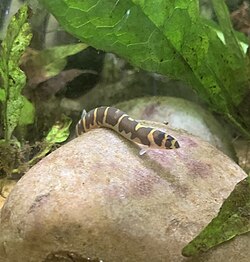
Suddenly aggressive behavior in Kuhli Loach can be caused by stress, territory disputes, or inadequate social structure. This problem can escalate quickly, so immediate monitoring and action are crucial. Kuhli Loaches are known for their shy nature and need a peaceful environment to thrive.
Kuhli Loach Aggressive: Common Causes
Stress
Most LikelyHigh stress levels due to water quality issues, temperature fluctuations, or aggressive tank mates can trigger aggression.
Territory Disputes
Most LikelyKuhli Loaches are territorial and can become aggressive over perceived territory invasions.
Inadequate Social Structure
Most LikelyLack of appropriate tank mates or incorrect tank size can lead to social stress and aggression.
Dietary Issues
PossibleUnbalanced diet or lack of nutritional variety may also contribute to behavioral changes.
Maturity
Less CommonAs Kuhli Loaches mature, their behavior may become more aggressive, especially in male-to-male interactions.
How to Diagnose the Cause
Follow these steps in order. Stop when you identify a likely cause and move to treatment.
- Observe water parameters such as pH, temperature, and ammonia levels using a test kit.
Ensure the water quality is within the ideal range for Kuhli Loach.
Recommended: pH test kit - Check the tank for overcrowding and ensure there is adequate space for all fish to swim and hide.
Ensure the tank size and population are appropriate for Kuhli Loach's social needs.
- Monitor diet and ensure a varied and balanced diet is provided.
Evaluate the diet for nutritional adequacy and adjust if necessary.
- Inspect tank decorations for sharp edges or objects that could cause injury.
Ensure the tank is safe from potential hazards.
- Evaluate the tank mates' compatibility with Kuhli Loach, ensuring they are of similar size and temperament.
Consider whether the current tank mates are suitable for Kuhli Loach's social dynamics.
How to Treat Kuhli Loach Aggressive
- Improve water quality by performing regular water changes and addressing any existing issues.
Maintain the ideal water parameters for Kuhli Loach's health and behavior.
- Increase the tank size if overcrowding is an issue, or consider removing incompatible tank mates.
Ensure there is enough space for all fish and provide territories for each individual.
- Adjust the diet to include a variety of foods and increase the frequency of feedings to maintain good health.
A balanced diet is essential for the overall well-being of Kuhli Loach.
- Remove any sharp or dangerous decorations from the tank to prevent injury.
Create a safe environment for Kuhli Loach to live in.
- Monitor and manage aggression by introducing temporary barriers or separating aggressive individuals if necessary.
Address aggressive behavior promptly to prevent escalation and injury.
How to Prevent Kuhli Loach Aggressive
When to See a Vet
🔬 AI Symptom Checker
Not sure what's wrong? Describe your fish's symptoms to the FishCare AI and get an instant diagnosis.
Check Symptoms →Frequently Asked Questions
This guide was reviewed for biological accuracy and practical aquarium care guidance. Always test water parameters before treating a sick fish — poor water quality is the most common root cause. Consult an aquatic veterinarian if symptoms persist after 48 hours of correct treatment.
Sources: Merck Veterinary Manual — Aquarium Fishes · UF/IFAS Extension — Fish Health Management