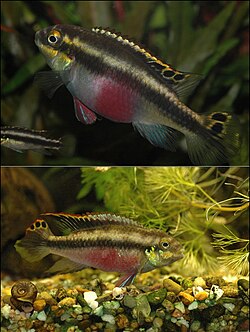
Fuzzy white growth on Kribensis, known as cotton wool disease, is a serious fungal infection. It can rapidly spread and weaken the fish, leading to death. Immediate attention is crucial; owners must first understand the importance of maintaining optimal water conditions and addressing underlying stressors.
Kribensis Fuzzy Growth: Common Causes
Poor Water Quality
Most LikelyHigh ammonia and nitrite levels create stress, making Kribensis more susceptible to fungal infections.
Stressful Environment
PossibleTerritorial disputes and overcrowding can lead to physical injury and stress, increasing the risk of fungal infections.
Inadequate Diet
Less CommonInsufficient diet or poor-quality food can weaken the fish's immune system, making it more prone to infections.
How to Diagnose the Cause
Follow these steps in order. Stop when you identify a likely cause and move to treatment.
- Inspect the fish's body, mouth, and fins for cotton-like growth.
Use a magnifying glass if necessary to see fine details.
Recommended: magnifying glass - Test the water parameters for ammonia, nitrite, and nitrate levels.
Use a reliable test kit for accurate results.
Recommended: water test kit - Check the tank for signs of injury or stress.
Look for fin nipping, aggression, or overcrowding.
How to Treat Kribensis Fuzzy Growth
- Perform a 50% water change to improve water quality.
Use dechlorinated water to prevent further stress.
- Administer an anti-fungal treatment, such as methylene blue, according to instructions.
Ensure the fish is not sensitive to the treatment.
- Reduce stress by minimizing tank aggression and providing hiding spots.
How to Prevent Kribensis Fuzzy Growth
When to See a Vet
🔬 AI Symptom Checker
Not sure what's wrong? Describe your fish's symptoms to the FishCare AI and get an instant diagnosis.
Check Symptoms →Frequently Asked Questions
This guide was reviewed for biological accuracy and practical aquarium care guidance. Always test water parameters before treating a sick fish — poor water quality is the most common root cause. Consult an aquatic veterinarian if symptoms persist after 48 hours of correct treatment.
Sources: Merck Veterinary Manual — Aquarium Fishes · UF/IFAS Extension — Fish Health Management