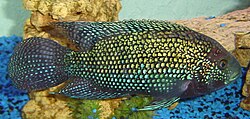
Sinking to the bottom in Jack Dempseys is a critical sign indicating severe health issues. It's often due to internal infections or organ failure, which can be life-threatening. Owners must act quickly to identify the cause and seek veterinary assistance.
Jack Dempsey Sinking to Bottom: Common Causes
Internal Infection
Most LikelyBacterial or parasitic infections can lead to organ failure and sinking behavior.
Poor Water Quality
Most LikelyHigh ammonia or nitrite levels can stress the fish, leading to organ failure and sinking.
Dietary Issues
PossibleOverfeeding or a lack of essential nutrients can weaken the fish, causing it to sink.
Stress
PossibleTerritorial aggression or overcrowding can cause stress, leading to sinking behavior.
Old Age
Less CommonAs Jack Dempseys age, they may experience health issues that cause them to sink to the bottom.
How to Diagnose the Cause
Follow these steps in order. Stop when you identify a likely cause and move to treatment.
- Observe the fish's behavior and appearance for any signs of injury or disease.
Look for ulcers, spots, or changes in color.
- Test the water parameters for ammonia, nitrite, and nitrate levels.
Use a reliable test kit to ensure water quality is within the optimal range.
Recommended: Water test kit - Inspect the fish's gills for signs of infection or parasites.
Use a magnifying glass to look for cloudy or inflamed gills.
Recommended: Magnifying glass - Examine the fish's internal organs for signs of disease or damage.
This requires a veterinary examination and is usually done under sedation.
- Review the fish's diet and environmental conditions to identify any potential stressors.
Ensure the diet is balanced and the tank is well-maintained.
How to Treat Jack Dempsey Sinking to Bottom
- Treat the fish with antibiotics or antiparasitic medications as prescribed by a veterinarian.
Follow the vet's instructions carefully.
- Improve water quality by changing water regularly and using water conditioners to neutralize harmful substances.
Maintain the optimal pH and temperature range for Jack Dempseys.
- Adjust the diet to include high-quality food and supplements as recommended by the vet.
Ensure the fish receives a balanced and varied diet.
- Provide a stress-free environment by reducing aggression and overcrowding.
Consider using tank dividers or providing more space.
- Monitor the fish's progress and continue treatment until fully recovered.
Regular check-ups are important to assess the fish's health and adjust treatment as needed.
How to Prevent Jack Dempsey Sinking to Bottom
When to See a Vet
🔬 AI Symptom Checker
Not sure what's wrong? Describe your fish's symptoms to the FishCare AI and get an instant diagnosis.
Check Symptoms →Frequently Asked Questions
This guide was reviewed for biological accuracy and practical aquarium care guidance. Always test water parameters before treating a sick fish — poor water quality is the most common root cause. Consult an aquatic veterinarian if symptoms persist after 48 hours of correct treatment.
Sources: Merck Veterinary Manual — Aquarium Fishes · UF/IFAS Extension — Fish Health Management