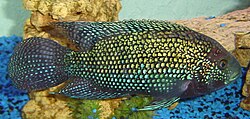
Red streaks on a Jack Dempsey, often a sign of internal bleeding, can be a critical health issue due to its territorial nature. Immediate action is necessary as it can lead to systemic infections if left untreated. Owners should closely monitor their fish’s environment and diet to prevent recurrence.
Jack Dempsey Red Streaks on Body: Common Causes
Bacterial Infections
Most LikelyThese can be caused by poor water quality or stress, leading to internal bleeding.
Fungal Infections
PossibleFungus can infiltrate the skin, causing internal damage and bleeding.
Poor Water Quality
Most LikelyHigh ammonia or nitrite levels can cause internal stress and bleeding.
Territorial Aggression
PossibleAggressive behavior can lead to fin nipping and subsequent infections.
Malnutrition or Deficiency
Less CommonInsufficient vitamins or nutrients can weaken the fish, making it more susceptible to bleeding issues.
How to Diagnose the Cause
Follow these steps in order. Stop when you identify a likely cause and move to treatment.
- Examine the fish for any signs of trauma, fin nipping, or aggression.
Look for external wounds or behavioral changes that could be contributing to the internal bleeding.
- Perform a visual inspection of the fish’s body and fins for any red streaks or blotches.
This will help identify the extent of the bleeding.
- Check the water parameters for ammonia, nitrite, and nitrate levels.
High levels can indicate poor water quality and stress.
Recommended: pH test kit - Assess the diet of the fish to ensure it is receiving a balanced and varied diet.
Malnutrition can lead to health issues.
- Observe the fish’s behavior for any signs of stress or aggression that could be contributing to the issue.
This will help rule out behavioral causes.
How to Treat Jack Dempsey Red Streaks on Body
- Improve water quality by changing 50% of the water in the tank daily.
This will lower ammonia and nitrite levels, reducing stress.
- Administer antibiotics like kanamycin or metronidazole if a bacterial infection is suspected.
Follow the recommended dosage and treatment duration.
- Ensure the fish is eating well and adjust the diet if necessary to provide adequate nutrients.
Consider adding vitamin supplements to the diet if needed.
- Reduce stress by providing adequate space and removing any aggressive tankmates if necessary.
This will help prevent further fin nipping and aggression.
- Monitor the fish closely for signs of improvement and continue treatment as long as necessary.
Discontinue treatment if symptoms resolve before the recommended duration is complete.
How to Prevent Jack Dempsey Red Streaks on Body
When to See a Vet
🔬 AI Symptom Checker
Not sure what's wrong? Describe your fish's symptoms to the FishCare AI and get an instant diagnosis.
Check Symptoms →Frequently Asked Questions
This guide was reviewed for biological accuracy and practical aquarium care guidance. Always test water parameters before treating a sick fish — poor water quality is the most common root cause. Consult an aquatic veterinarian if symptoms persist after 48 hours of correct treatment.
Sources: Merck Veterinary Manual — Aquarium Fishes · UF/IFAS Extension — Fish Health Management