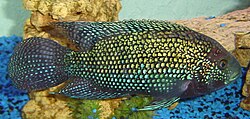
Fin rot in Jack Dempseys is often due to stress and poor water quality, which can lead to aggressive behavior and territorial disputes. This condition is urgent as it can progress rapidly. Owners must ensure immediate intervention, including water changes and stress reduction, to prevent serious health issues.
Jack Dempsey Fin Rot: Common Causes
Poor Water Quality
Most LikelyHigh ammonia and nitrite levels can stress the fish, weakening its immune system and leading to fin rot.
Aggressive Behavior
Most LikelyTerritorial disputes and aggression among Jack Dempseys can cause physical injury to fins, facilitating infection.
Dietary Deficiencies
PossibleInadequate nutrition can weaken the fish's immune system, making it more susceptible to fin rot.
Inadequate Water Movement
PossibleStagnant water can harbor pathogens, increasing the risk of fin rot.
Environmental Stress
Less CommonTemperature fluctuations, sudden changes in water conditions, or loud noises can stress the fish, compromising its health and susceptibility to fin rot.
How to Diagnose the Cause
Follow these steps in order. Stop when you identify a likely cause and move to treatment.
- Observe the fish for signs of fin damage, such as ragged edges or discolored borders.
This will help determine if fin rot is present.
Recommended: microscope - Test the water parameters for ammonia, nitrite, nitrate, pH, and temperature.
Ensure that water conditions are within the optimal range for Jack Dempseys to rule out water quality issues.
Recommended: water testing kit - Check for physical signs of injury or disease, such as ich or bacterial infections, which can mimic fin rot.
Use a magnifying glass to inspect the fish closely.
Recommended: null - Consider the fish's behavior and diet to identify stressors or nutritional deficiencies.
This can provide clues to underlying causes.
Recommended: null - Consult a veterinarian specializing in aquatic life for a definitive diagnosis and treatment plan.
They can conduct more advanced tests if necessary.
Recommended: null
How to Treat Jack Dempsey Fin Rot
- Perform regular, 25% water changes to improve water quality.
This helps remove toxins and reduce stress on the fish.
- Add an antibacterial or antifungal treatment to the water to combat the infection.
Follow the product's instructions for dosing.
- Ensure the fish has a balanced diet rich in vitamins and minerals to support its immune system.
Feeding high-quality cichlid pellets or flake food can be beneficial.
- Reduce stress by minimizing aggression and providing ample space in the tank.
Use tank dividers or rearrange decor to create territories.
- Monitor the fish's progress closely and adjust the treatment plan as needed.
If symptoms persist or worsen, seek veterinary advice immediately.
How to Prevent Jack Dempsey Fin Rot
When to See a Vet
🔬 AI Symptom Checker
Not sure what's wrong? Describe your fish's symptoms to the FishCare AI and get an instant diagnosis.
Check Symptoms →Frequently Asked Questions
This guide was reviewed for biological accuracy and practical aquarium care guidance. Always test water parameters before treating a sick fish — poor water quality is the most common root cause. Consult an aquatic veterinarian if symptoms persist after 48 hours of correct treatment.
Sources: Merck Veterinary Manual — Aquarium Fishes · UF/IFAS Extension — Fish Health Management