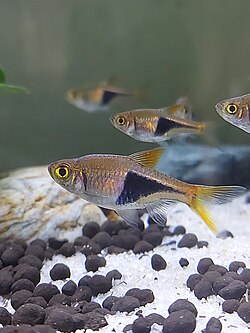
White spots on a Harlequin Rasbora, caused by Ichthyophthirius multifiliis, are an urgent matter as they can lead to secondary infections and rapid decline in health. This guide will help identify the cause, diagnose, and treat this common freshwater disease, emphasizing the importance of quick action and the specific needs of this beginner-friendly species.
Harlequin Rasbora White Spots (Ich): Common Causes
Poor Water Quality
Most LikelyAmmonia and nitrite levels can stress Harlequin Rasboras, making them more susceptible to Ich.
New Tank Syndrome
Most LikelyHigh ammonia and nitrite levels in new tanks can stress fish and lead to Ich infection.
Poor Diet
PossibleA lack of essential nutrients can weaken the immune system of Harlequin Rasboras, making them prone to Ich.
Inadequate Temperature Control
PossibleWater temperatures outside the optimal range can stress the fish and weaken their immune system.
Introducing New Fish
Less CommonIntroducing new fish can introduce Ich to the tank if they are carrying the parasite.
How to Diagnose the Cause
Follow these steps in order. Stop when you identify a likely cause and move to treatment.
- Observe the fish for white spots on the body and fins.
Ich is characterized by white, salt-grain-like spots on the fish's body and fins.
- Gently scratch the fish's body to observe if the spots move.
If the spots move, it is likely Ich, as the parasite can be seen moving on the fish's skin.
- Check the tank for other signs of stress or disease, such as clamped fins or lethargy.
Other signs of stress can accompany Ich and may indicate a more severe issue.
- Inspect the tank for other fish showing similar symptoms.
Ich can spread quickly, so it's important to identify all affected fish.
- Perform a water test to check ammonia, nitrite, and nitrate levels.
High ammonia and nitrite levels can stress fish and exacerbate Ich.
Recommended: Water test kit
How to Treat Harlequin Rasbora White Spots (Ich)
- Increase the water temperature to 28–30°C to help control the Ich life cycle.
Higher temperatures can slow down the Ich life cycle, but be careful not to exceed the Harlequin Rasbora's temperature tolerance.
- Perform 25–30% water changes daily to remove ammonia and nitrite, and to reduce the Ich population.
Water changes are crucial for maintaining good water quality and reducing stress on the fish.
- Use an Ich-specific treatment, following the manufacturer's instructions, to kill the parasites.
Always follow the treatment protocol carefully to avoid harm to the fish.
- Add a small amount of salt to the tank (0.3–0.5% of tank volume) to help combat Ich and reduce stress on the fish.
Salt can help to make the environment less favorable for the parasites.
- Continue treatment for at least 7 days after the last visible spot has disappeared to ensure all parasites are killed.
Early discontinuation of treatment can lead to a recurrence of the infection.
How to Prevent Harlequin Rasbora White Spots (Ich)
When to See a Vet
🔬 AI Symptom Checker
Not sure what's wrong? Describe your fish's symptoms to the FishCare AI and get an instant diagnosis.
Check Symptoms →Frequently Asked Questions
This guide was reviewed for biological accuracy and practical aquarium care guidance. Always test water parameters before treating a sick fish — poor water quality is the most common root cause. Consult an aquatic veterinarian if symptoms persist after 48 hours of correct treatment.
Sources: Merck Veterinary Manual — Aquarium Fishes · UF/IFAS Extension — Fish Health Management