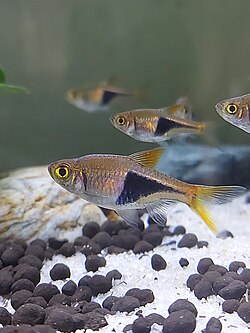
Torn or ragged fins in Harlequin Rasbora often indicate stress, fin nipping, or poor water quality, which can lead to secondary infections. Addressing the underlying cause is crucial. The owner should first check water parameters and behavior for signs of aggression or poor conditions.
Harlequin Rasbora Torn Fins: Common Causes
Fin Nipping
Most LikelyAggressive tankmates or poor tank spacing can lead to nipping.
Poor Water Quality
Most LikelyAmmonia, nitrite, or high nitrate levels can stress and weaken fins.
Stress
PossibleDietary deficiencies, water temperature fluctuations, or disease can stress fish, weakening fins.
External Parasites
Less CommonIch or other parasites can cause physical damage to fins.
Poor Diet
PossibleInadequate or poor quality food can contribute to overall health issues, affecting fin health.
How to Diagnose the Cause
Follow these steps in order. Stop when you identify a likely cause and move to treatment.
- Perform a water test
Check for ammonia, nitrite, and nitrate levels. Use a liquid test kit.
Recommended: liquid test kit - Inspect tank mates
Observe for aggression or nipping among fish.
- Monitor water quality over time
Look for gradual changes or consistent high levels of contaminants.
Recommended: test kit - Observe behavior
Check if fish shows signs of stress, such as changes in activity or feeding patterns.
- Perform a visual inspection for parasites
Use a magnifying glass to check for parasites like ich on the fins.
Recommended: magnifying glass
How to Treat Harlequin Rasbora Torn Fins
- Improve water parameters
Ensure water quality is optimal by regular water changes and maintaining the appropriate pH level for Harlequin Rasbora (6.0–7.8).
- Remove aggressive tank mates
Separate aggressive fish or adjust tank layout to reduce nipping incidents.
- Provide a balanced diet
Offer a varied diet rich in proteins, vitamins, and minerals. Use high-quality flake or pellet food specifically formulated for small tropical fish.
- Consider a fin regrowth supplement
Ask your vet about fin-regrowth supplements or medicated foods if stress or poor diet is the cause.
- Treat for external parasites
Follow a treatment protocol for parasites as directed by a veterinarian. Common treatments include aquarium salt or formalin. Never use copper-based medications, as they are toxic to Harlequin Rasbora.
How to Prevent Harlequin Rasbora Torn Fins
When to See a Vet
🔬 AI Symptom Checker
Not sure what's wrong? Describe your fish's symptoms to the FishCare AI and get an instant diagnosis.
Check Symptoms →Frequently Asked Questions
This guide was reviewed for biological accuracy and practical aquarium care guidance. Always test water parameters before treating a sick fish — poor water quality is the most common root cause. Consult an aquatic veterinarian if symptoms persist after 48 hours of correct treatment.
Sources: Merck Veterinary Manual — Aquarium Fishes · UF/IFAS Extension — Fish Health Management