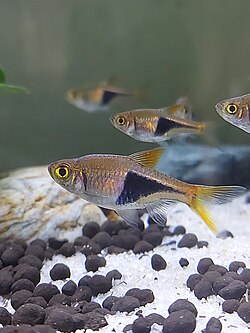
Sunken belly in Harlequin Rasbora (Trigonostigma heteromorpha) is a serious health issue often indicating internal parasites or poor nutrition. It can lead to secondary infections and rapid deterioration. Owners should first understand that prompt action is crucial to prevent fatal outcomes.
Harlequin Rasbora Sunken Belly: Common Causes
Internal Parasites
Most LikelyCommon parasites like Hexamita and Oodinium can cause malabsorption and lead to a sunken belly.
Poor Diet
PossibleLack of proper nutrition, especially a diet high in protein and lacking in plant-based foods, can result in malnutrition and a sunken belly.
Stress or Disease
PossibleStress from water quality issues or other diseases can lead to decreased appetite and weight loss.
Bacterial Infections
Less CommonSecondary bacterial infections may occur due to compromised immune systems, often seen in conjunction with other issues.
Genetic Factors
Less CommonRarely, genetic predispositions can lead to a sunken belly, especially in young fish.
How to Diagnose the Cause
Follow these steps in order. Stop when you identify a likely cause and move to treatment.
- Examine the fish's gills and scales for signs of parasites or infection.
Look for spots or discoloration on the gills, and check for white spots on the scales.
- Perform a thorough water quality test, including ammonia, nitrite, nitrate, and pH levels.
Poor water parameters can indicate stress and contribute to the problem.
Recommended: Water test kit - Conduct a fecal exam to check for the presence of parasites.
This can be done by collecting a small sample of the fish's feces and examining it under a microscope.
Recommended: Fecal exam kit - Assess the fish's diet and feeding habits.
Ensure the diet is balanced with both protein and plant matter, and that the fish is eating consistently.
- Check the fish's behavior and environment for signs of stress or disease.
Observe the fish's swimming patterns, interactions with other fish, and overall activity level.
How to Treat Harlequin Rasbora Sunken Belly
- Disinfect the aquarium and remove any infected substrates or decorations.
Use a safe aquarium disinfectant to maintain a clean environment.
- Medicate the water with an appropriate antibiotic or antiparasitic treatment.
Follow the instructions on the medication carefully and monitor the fish's response.
- Adjust the diet to ensure it is balanced and nutritious.
Include a variety of high-quality fish food and plant-based items like spirulina or algae wafers.
- Improve water quality by increasing the water change frequency and using water conditioners if necessary.
Keep the tank parameters within the optimal range for Harlequin Rasbora.
- Monitor the fish closely for any signs of improvement or deterioration and adjust treatment as needed.
Regular observation is essential to ensure the best outcome for the fish's health.
How to Prevent Harlequin Rasbora Sunken Belly
When to See a Vet
🔬 AI Symptom Checker
Not sure what's wrong? Describe your fish's symptoms to the FishCare AI and get an instant diagnosis.
Check Symptoms →Frequently Asked Questions
This guide was reviewed for biological accuracy and practical aquarium care guidance. Always test water parameters before treating a sick fish — poor water quality is the most common root cause. Consult an aquatic veterinarian if symptoms persist after 48 hours of correct treatment.
Sources: Merck Veterinary Manual — Aquarium Fishes · UF/IFAS Extension — Fish Health Management