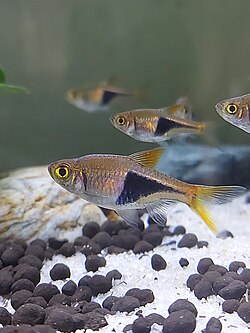
Fuzzy white growth on Harlequin Rasboras is often due to fungal infections like ich or saprolegnia, stemming from stress, poor water quality, or injury. It's an urgent issue as it can lead to secondary infections. Immediate attention is crucial to prevent severe health issues.
Harlequin Rasbora Fuzzy Growth: Common Causes
Poor Water Quality
Most LikelyAmmonia and nitrite levels exceeding 0.5 mg/L can stress and weaken Harlequin Rasboras, making them more susceptible to fungal infections.
Inadequate Temperature
Most LikelyWater temperatures outside the optimal range of 22–27°C can stress fish, compromising their immune systems and leading to fungal growth.
Dietary Issues
PossibleA lack of variety in the diet or poor nutrition can weaken the fish's immune system, increasing the risk of fungal infections.
Physical Stress
PossibleSudden changes in environment, overcrowding, or handling can cause physical stress that predisposes Harlequin Rasboras to fungal infections.
Poor Acclimation
Less CommonImproperly acclimating fish to tank conditions can lead to stress, making them vulnerable to fungal pathogens.
How to Diagnose the Cause
Follow these steps in order. Stop when you identify a likely cause and move to treatment.
- Observe the affected fish for any signs of injury, stress, or poor water quality.
Check for physical damage, changes in swimming patterns, or discoloration that may indicate underlying causes.
- Perform a water test to measure ammonia, nitrite, nitrate, and pH levels.
Ensure the tank water meets the Harlequin Rasbora's specific water parameters for temperature, pH, and ammonia/nitrite levels.
Recommended: Water test kit - Inspect the tank for any signs of overcrowding, poor water circulation, or recent changes in the environment.
Overcrowding and poor water flow can contribute to poor water quality and stress.
- Check the diet to ensure it's balanced and includes a variety of foods.
Harlequin Rasboras need a varied diet to maintain a healthy immune system.
- Observe other fish in the tank for similar symptoms to rule out contagious diseases.
Fungal infections can spread, so monitor the entire community for any signs of illness.
How to Treat Harlequin Rasbora Fuzzy Growth
- Increase the water flow to improve oxygenation and reduce stress.
Ensure the filter is working efficiently to maintain water quality and flow.
- Perform a 25–50% water change to remove toxins and improve water quality.
Use dechlorinated water to avoid further stress on the fish.
- Disinfect the tank, decorations, and filter media with an appropriate fungicidal treatment.
Follow manufacturer's instructions carefully to avoid harming the fish or beneficial bacteria in the tank.
- Use a broad-spectrum fungicide specifically designed for aquarium use to treat the affected fish.
Follow dosage instructions and treatment schedule provided by the product manufacturer.
- Ensure the tank temperature is within the optimal range for Harlequin Rasboras, as this can boost their immune response.
Maintain a consistent temperature and avoid rapid fluctuations.
- Provide a varied diet and supplement with vitamins and minerals to support the fish's immune system.
Consider adding a spirulina-rich food to their diet for additional nutritional support.
How to Prevent Harlequin Rasbora Fuzzy Growth
When to See a Vet
🔬 AI Symptom Checker
Not sure what's wrong? Describe your fish's symptoms to the FishCare AI and get an instant diagnosis.
Check Symptoms →Frequently Asked Questions
This guide was reviewed for biological accuracy and practical aquarium care guidance. Always test water parameters before treating a sick fish — poor water quality is the most common root cause. Consult an aquatic veterinarian if symptoms persist after 48 hours of correct treatment.
Sources: Merck Veterinary Manual — Aquarium Fishes · UF/IFAS Extension — Fish Health Management