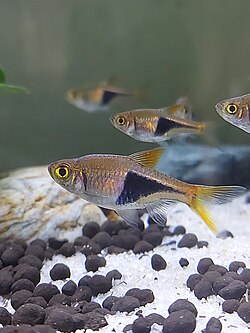
Floating at the surface in Harlequin Rasboras is a serious sign of distress, often indicating a critical health issue. It can be life-threatening if not addressed promptly. Owners should first ensure the tank conditions are optimal for this species, including temperature, pH, and water quality.
Harlequin Rasbora Floating at Surface: Common Causes
Poor Water Quality
Most LikelyHigh ammonia or nitrite levels can cause stress and lead to surface floating.
Insufficient Oxygen
Most LikelyLow oxygen levels in the water can cause rasboras to float at the surface to breathe.
Disease
Most LikelyInfections such as ich or bacterial infections can cause severe discomfort and lead to this behavior.
Stress
PossibleStress from tank mates, overcrowding, or changes in the environment can cause rasboras to surface.
Dietary Issues
Less CommonMalnutrition or lack of proper nutrition can lead to weakness and surface floating.
How to Diagnose the Cause
Follow these steps in order. Stop when you identify a likely cause and move to treatment.
- Check the water parameters for ammonia, nitrite, and nitrate levels.
Use a reliable test kit to ensure the tank's water quality is within the optimal range for Harlequin Rasboras.
Recommended: Water test kit - Measure the water temperature and pH level.
Ensure the temperature is between 22–27°C and the pH is between 6.0–7.8, as these are the ideal conditions for Harlequin Rasboras.
Recommended: Thermometer, pH test kit - Observe the fish's behavior and appearance for signs of disease.
Look for any visible symptoms such as spots, fin rot, or clamped fins, which could indicate a bacterial or parasitic infection.
- Assess the tank environment for stress factors.
Check for overcrowding, aggressive tank mates, or sudden changes in the environment that could be causing stress.
- Review the fish's diet and feeding routine.
Ensure the rasboras are receiving a balanced diet rich in protein and vitamins, as recommended for their species.
How to Treat Harlequin Rasbora Floating at Surface
- Improve water quality by performing water changes and using water conditioners to remove harmful substances.
Change 20-30% of the water every 2-3 days until the parameters are stable.
- Increase aeration and oxygen levels in the tank.
Use an air stone or powerhead to increase water movement and oxygenation.
- Treat for disease if present, following the appropriate medication instructions.
Use a fish-safe medication that is suitable for the specific disease and follow the treatment protocol carefully.
- Reduce stress by providing adequate hiding spots and ensuring peaceful tank mates.
Add plants or decorations to create territories and reduce aggression.
- Adjust the diet if necessary, providing a variety of high-quality foods.
Ensure the rasboras are getting a balanced diet that includes both flake food and live or frozen foods for variety and nutrition.
How to Prevent Harlequin Rasbora Floating at Surface
When to See a Vet
🔬 AI Symptom Checker
Not sure what's wrong? Describe your fish's symptoms to the FishCare AI and get an instant diagnosis.
Check Symptoms →Frequently Asked Questions
This guide was reviewed for biological accuracy and practical aquarium care guidance. Always test water parameters before treating a sick fish — poor water quality is the most common root cause. Consult an aquatic veterinarian if symptoms persist after 48 hours of correct treatment.
Sources: Merck Veterinary Manual — Aquarium Fishes · UF/IFAS Extension — Fish Health Management