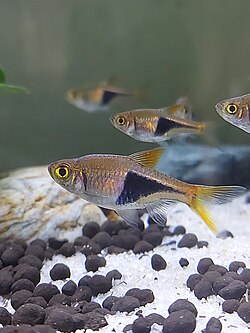
Bloated or swollen Harlequin Rasboras can be a sign of serious internal issues, often due to poor diet, water quality, or disease. This condition is urgent and requires immediate attention to prevent further complications. Owners should first ensure the fish is not pregnant or suffering from constipation before seeking veterinary care.
Harlequin Rasbora Bloated or Swollen: Common Causes
Poor Diet
Most LikelyOverfeeding or feeding inappropriate foods can lead to bloating.
Water Quality Issues
Most LikelyHigh ammonia or nitrite levels can cause bloating and internal swelling.
Disease
PossibleBacterial infections, parasites, or internal tumors can cause bloating.
Pregnancy
PossibleFemale Harlequin Rasboras may appear bloated due to pregnancy.
Constipation
Less CommonIngestion of indigestible materials can lead to constipation and bloating.
How to Diagnose the Cause
Follow these steps in order. Stop when you identify a likely cause and move to treatment.
- Inspect the fish for signs of injury or parasites.
Look for any external wounds or signs of parasites.
- Check the water parameters for ammonia, nitrite, and nitrate levels.
Use a water test kit to measure these parameters.
Recommended: Water test kit - Observe the fish's diet and feeding habits.
Ensure the fish is not being overfed and is receiving a balanced diet.
- Look for signs of pregnancy in female fish.
Female Harlequin Rasboras may have a rounder belly during breeding season.
- Consider any recent changes in the aquarium environment or diet.
Changes can stress fish and lead to health issues.
How to Treat Harlequin Rasbora Bloated or Swollen
- Improve water quality by performing regular water changes and maintaining appropriate pH levels.
Change 25-30% of the water weekly and ensure pH is within the recommended range.
- Adjust the diet to include high-quality, easily digestible foods.
Remove any uneaten food from the tank and avoid overfeeding.
- Administer antibiotics or antiparasitic treatments if a bacterial infection or parasitic infestation is suspected.
Follow the vet's instructions for dosage and treatment duration.
- If constipation is suspected, consider using a mild laxative or consult a vet for advice.
Avoid harsh treatments that could harm the fish.
- Monitor the fish closely for any improvement or worsening of symptoms.
Keep a daily log of the fish's behavior and appearance.
How to Prevent Harlequin Rasbora Bloated or Swollen
When to See a Vet
🔬 AI Symptom Checker
Not sure what's wrong? Describe your fish's symptoms to the FishCare AI and get an instant diagnosis.
Check Symptoms →Frequently Asked Questions
This guide was reviewed for biological accuracy and practical aquarium care guidance. Always test water parameters before treating a sick fish — poor water quality is the most common root cause. Consult an aquatic veterinarian if symptoms persist after 48 hours of correct treatment.
Sources: Merck Veterinary Manual — Aquarium Fishes · UF/IFAS Extension — Fish Health Management