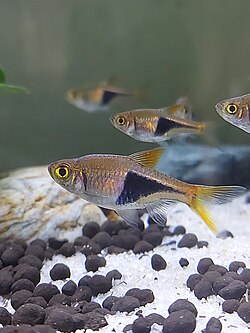
Black spots on Harlequin Rasboras often indicate stress, poor water quality, or parasitic infections. These spots can be serious if not addressed promptly, potentially leading to more severe health issues. As a beginner-friendly fish, early recognition and treatment are crucial to prevent long-term damage.
Harlequin Rasbora Black Spots: Common Causes
Poor Water Quality
Most LikelyHigh ammonia or nitrite levels can stress the fish and lead to spots.
Parasitic Infections
PossibleIch and other parasites can cause spots, especially in crowded tanks.
Poor Diet
PossibleDeficiencies in vitamins and minerals can result in spots as the fish's immune system weakens.
Stress
PossibleEnvironmental changes, aggression from tankmates, or poor water conditions can cause stress spots.
Genetic Factors
Less CommonIn some cases, spots may be a natural part of the fish's genetic makeup.
How to Diagnose the Cause
Follow these steps in order. Stop when you identify a likely cause and move to treatment.
- Observe the fish's behavior and appearance
Check for any signs of stress or aggression, as well as the distribution and size of the spots.
- Test the water parameters
Use an aquarium test kit to measure ammonia, nitrite, nitrate, pH, and temperature.
Recommended: Aquarium test kit - Inspect the tank environment
Look for any physical damage to the tank or aggressive tankmates.
- Check the diet
Ensure the fish is receiving a balanced diet rich in vitamins and minerals.
- Consult with a vet
If the cause remains unclear, seek professional advice.
How to Treat Harlequin Rasbora Black Spots
- Improve water quality
Perform regular water changes and maintain optimal water parameters for Harlequin Rasboras.
- Treat for parasites
Use a recommended medication if parasites are present, following the treatment instructions carefully.
- Adjust the diet
Ensure the fish is eating a balanced diet, possibly including a vitamin supplement to support immune function.
- Reduce stress
Remove aggressive tankmates or make changes gradually to the tank environment to reduce stress levels.
- Monitor and treat ongoing issues
Continue to monitor the fish's health and treat any recurring issues promptly.
How to Prevent Harlequin Rasbora Black Spots
When to See a Vet
🔬 AI Symptom Checker
Not sure what's wrong? Describe your fish's symptoms to the FishCare AI and get an instant diagnosis.
Check Symptoms →Frequently Asked Questions
This guide was reviewed for biological accuracy and practical aquarium care guidance. Always test water parameters before treating a sick fish — poor water quality is the most common root cause. Consult an aquatic veterinarian if symptoms persist after 48 hours of correct treatment.
Sources: Merck Veterinary Manual — Aquarium Fishes · UF/IFAS Extension — Fish Health Management