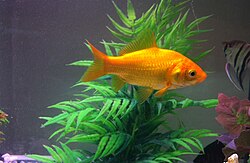
Lethargy in Goldfish can be a sign of various health issues, ranging from minor to serious. It's crucial to identify the cause promptly as it can lead to more severe conditions. Owners should first check the water parameters and ensure proper care.
Goldfish Lethargic or Inactive: Common Causes
Poor Water Quality
Most LikelyHigh ammonia or nitrite levels can stress the fish and lead to lethargy.
Internal Parasites
PossibleParasites such as flukes or tapeworms can cause internal discomfort and listlessness.
Poor Diet
PossibleInadequate nutrition can result in a lack of energy, leading to lethargy.
Cold Water Temperature
PossibleGoldfish are sensitive to temperature changes and may become inactive in cold water.
Old Age
Less CommonSenior Goldfish may naturally become less active as they age.
How to Diagnose the Cause
Follow these steps in order. Stop when you identify a likely cause and move to treatment.
- Test the water for ammonia, nitrite, and nitrate levels.
Use a reliable test kit to ensure water quality is within the optimal range.
Recommended: Water test kit - Inspect the fish for external signs of parasites or disease.
Look for spots, lumps, or unusual behaviors that may indicate a parasitic infection.
- Observe the fish's diet and feeding habits.
Ensure the fish is receiving a balanced diet and is not overfed.
- Check the water temperature and ensure it's within the recommended range.
Goldfish are sensitive to temperature fluctuations.
Recommended: Thermometer - Assess the fish's behavior over time to determine if it's a chronic issue.
Monitor the fish's activity levels daily to identify patterns.
How to Treat Goldfish Lethargic or Inactive
- Improve water quality by performing regular water changes and ensuring proper filtration.
Change 20-30% of the tank water weekly to maintain a healthy environment.
- Treat for parasites with appropriate medication as directed by a veterinarian.
Follow the vet's instructions carefully to avoid resistance and ensure the fish's safety.
- Adjust the diet to include high-quality, well-balanced food.
Feeding a varied diet rich in vitamins and minerals can boost the fish's energy levels.
- Increase the water temperature gradually if it's too low, but avoid overheating.
A slight increase can stimulate activity in cold-weather lethargy cases.
- Consider the fish's age and overall health to determine if it requires additional care or support.
Senior fish may need more gentle handling and a more comfortable environment.
How to Prevent Goldfish Lethargic or Inactive
When to See a Vet
🔬 AI Symptom Checker
Not sure what's wrong? Describe your fish's symptoms to the FishCare AI and get an instant diagnosis.
Check Symptoms →Frequently Asked Questions
This guide was reviewed for biological accuracy and practical aquarium care guidance. Always test water parameters before treating a sick fish — poor water quality is the most common root cause. Consult an aquatic veterinarian if symptoms persist after 48 hours of correct treatment.
Sources: Merck Veterinary Manual — Aquarium Fishes · UF/IFAS Extension — Fish Health Management