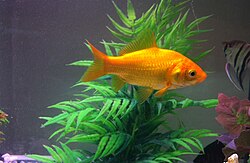
Goldfish may hide frequently due to stress, illness, or poor water quality. This behavior can be a sign of significant distress and should be monitored closely. Owners should first ensure proper tank maintenance and diet before seeking professional help.
Goldfish Hiding Constantly: Common Causes
Poor Water Quality
Most LikelyHigh levels of ammonia, nitrite, or nitrate can stress goldfish and cause them to hide.
Illness
Most LikelyHealth issues like ich, dropsy, or swim bladder problems can lead to hiding behavior.
Dietary Issues
PossibleAn unbalanced diet or overfeeding can cause digestive problems and stress.
Tank Mates
PossibleAggressive tank mates can cause stress and hiding, especially in smaller goldfish.
Environmental Changes
Less CommonSudden changes in water temperature, pH, or tank decor can stress goldfish and trigger hiding.
How to Diagnose the Cause
Follow these steps in order. Stop when you identify a likely cause and move to treatment.
- Check the water parameters for ammonia, nitrite, and nitrate levels.
Use a water test kit to ensure the tank is within the optimal range for goldfish.
Recommended: Water test kit - Inspect the fish for signs of illness, such as spots, bloating, or changes in swimming patterns.
Look for external parasites or internal health issues that could be causing stress.
- Observe the diet and feeding habits of the goldfish.
Ensure the diet is balanced and not overfeeding the fish.
- Assess the tank environment and tank mates.
Check for aggression or overcrowding that could be causing stress.
- Monitor the water temperature and pH levels over a few days.
Ensure there are no sudden changes that could stress the fish.
How to Treat Goldfish Hiding Constantly
- Improve water quality by performing regular water changes and maintaining optimal parameters.
Change 20-30% of the water every week to remove toxins.
- Treat any identified illnesses with appropriate medications, following the vet's instructions.
Use medications specifically designed for goldfish and follow the dosage guidelines.
- Adjust the diet to ensure it is balanced and meets the nutritional needs of the goldfish.
Feed a varied diet including high-quality pellets, vegetables, and occasional live or frozen foods.
- Reconsider the tank mates and consider separating aggressive fish or adding compatible species.
Ensure the tank environment is peaceful and stress-free for all fish.
- Gradually adjust any environmental changes, such as water temperature and pH, to avoid sudden stressors.
Make changes slowly and monitor the fish's response closely.
How to Prevent Goldfish Hiding Constantly
When to See a Vet
🔬 AI Symptom Checker
Not sure what's wrong? Describe your fish's symptoms to the FishCare AI and get an instant diagnosis.
Check Symptoms →Frequently Asked Questions
This guide was reviewed for biological accuracy and practical aquarium care guidance. Always test water parameters before treating a sick fish — poor water quality is the most common root cause. Consult an aquatic veterinarian if symptoms persist after 48 hours of correct treatment.
Sources: Merck Veterinary Manual — Aquarium Fishes · UF/IFAS Extension — Fish Health Management