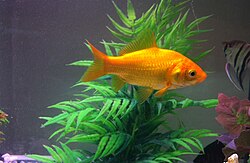
Fin rot in goldfish is a common and serious disease caused by bacteria, often exacerbated by poor water quality and stress. It can lead to secondary infections and death if not treated promptly. Owners should understand that early intervention and maintaining optimal water parameters are crucial for recovery.
Goldfish Fin Rot: Common Causes
Poor Water Quality
Most LikelyAmmonia and nitrite levels above the safe threshold can lead to weakened fins and susceptibility to bacterial infection.
Unsanitary Conditions
Most LikelyBuildup of waste, uneaten food, and algae can harbor harmful bacteria, increasing the risk of fin rot.
Physical Stress
PossibleStress from overcrowding, aggression, or rapid changes in water temperature can weaken the fish's immune system, making them more prone to fin rot.
Poor Diet
PossibleA diet low in nutritional value or containing harmful substances can weaken the fish's overall health and immunity.
Genetic Factors
Less CommonSome goldfish are genetically predisposed to weaker fins, which may be more susceptible to fin rot.
How to Diagnose the Cause
Follow these steps in order. Stop when you identify a likely cause and move to treatment.
- Inspect the fish for redness, inflammation, or ragged edges on the fins.
Check both sides of the body to confirm the presence of fin rot.
- Test the water quality for ammonia, nitrite, nitrate, and pH levels.
Use a water test kit to measure these parameters accurately.
Recommended: Water Test Kit - Look for signs of stress or other health issues that may contribute to fin rot.
Observe behavior changes, such as loss of appetite or aggression, which could indicate underlying problems.
- Consider the fish's diet and recent changes in the tank environment.
Ensure the diet is balanced and that no recent stressors have been introduced.
- Consult with a veterinarian experienced with aquatic species if diagnosis is uncertain.
They can provide a more thorough examination and confirm the diagnosis.
How to Treat Goldfish Fin Rot
- Increase the water flow to improve aeration and reduce stress on the fish.
This helps maintain a healthy oxygen level and can promote healing.
- Perform daily water changes, removing 20-30% of the water and replacing it with fresh, dechlorinated water.
This helps to lower ammonia and nitrite levels and maintain water quality.
- Administer an appropriate antibiotic or antibacterial treatment as directed by a veterinarian.
Follow the treatment regimen precisely to avoid resistance and ensure effectiveness.
- Adjust the diet to include high-quality, nutritionally balanced food to support immune system health.
Avoid overfeeding and ensure the fish has access to clean, fresh water at all times.
- Isolate the affected fish to prevent the spread of infection to other tank mates.
This is important for the health of the entire community and can prevent secondary infections in the affected fish.
How to Prevent Goldfish Fin Rot
When to See a Vet
🔬 AI Symptom Checker
Not sure what's wrong? Describe your fish's symptoms to the FishCare AI and get an instant diagnosis.
Check Symptoms →Frequently Asked Questions
This guide was reviewed for biological accuracy and practical aquarium care guidance. Always test water parameters before treating a sick fish — poor water quality is the most common root cause. Consult an aquatic veterinarian if symptoms persist after 48 hours of correct treatment.
Sources: Merck Veterinary Manual — Aquarium Fishes · UF/IFAS Extension — Fish Health Management