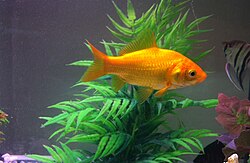
Curved or curled body in goldfish is a serious condition indicating skeletal deformities. It can be caused by poor water quality, dietary deficiencies, or genetic issues. Immediate action is crucial to prevent further complications.
Goldfish Curled Body: Common Causes
Poor Water Quality
Most LikelyHigh levels of ammonia or nitrite can lead to skeletal deformities.
Dietary Deficiencies
PossibleLack of proper nutrients, particularly calcium and vitamin D, can cause skeletal issues.
Genetic Disorders
Less CommonIn some cases, the condition is inherited and may be unavoidable.
How to Diagnose the Cause
Follow these steps in order. Stop when you identify a likely cause and move to treatment.
- Inspect the fish for signs of other health issues like fin rot or ich.
This can help determine if the curved body is a secondary symptom of another condition.
- Test the water parameters for ammonia, nitrite, nitrate, pH, and temperature.
These tests can identify if the environment is conducive to good health.
Recommended: Water test kit - Analyze the fish's diet and ensure it is balanced with appropriate vitamins and minerals.
Consider supplementing with vitamins and minerals if the diet is inadequate.
- Examine the fish's swimming patterns and behavior for signs of pain or discomfort.
This can help assess the fish's overall well-being.
- Consult with a vet who specializes in fish health for a definitive diagnosis.
A vet can provide additional tests and treatments as needed.
How to Treat Goldfish Curled Body
- Improve water quality by changing 25-30% of the tank water weekly and maintaining optimal temperature and pH levels.
This will help alleviate the stress on the fish's body and reduce the risk of further health issues.
- Feed a well-balanced diet that includes high-quality goldfish food, with the addition of vitamin and mineral supplements if necessary.
Ensure the diet provides the necessary nutrients for bone health.
- If genetic issues are suspected, the fish may require more space and gentle handling to reduce stress.
This can help improve the fish's quality of life, even if the condition is not curable.
- In severe cases, consult a vet for medical intervention, such as the use of antibiotics for secondary infections.
This should be a last resort and only under veterinary supervision.
- Monitor the fish's progress and adjust treatments as needed, based on its response and overall health.
Consistency is key in managing this condition effectively.
How to Prevent Goldfish Curled Body
When to See a Vet
🔬 AI Symptom Checker
Not sure what's wrong? Describe your fish's symptoms to the FishCare AI and get an instant diagnosis.
Check Symptoms →Frequently Asked Questions
This guide was reviewed for biological accuracy and practical aquarium care guidance. Always test water parameters before treating a sick fish — poor water quality is the most common root cause. Consult an aquatic veterinarian if symptoms persist after 48 hours of correct treatment.
Sources: Merck Veterinary Manual — Aquarium Fishes · UF/IFAS Extension — Fish Health Management