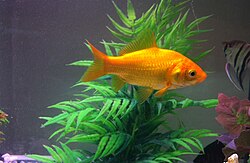
Clamped fins in Goldfish often indicate stress, injury, or illness. This is a sign of concern that requires monitoring and timely intervention. Goldfish are sensitive to their environment, and even subtle changes can lead to health issues like clamped fins. It's crucial to identify the cause promptly to prevent further complications.
Goldfish Clamped Fins: Common Causes
Poor Water Quality
Most LikelyAmmonia and nitrite levels can cause stress, leading to clamped fins.
Water Temperature Fluctuations
Most LikelyTemperature changes can stress Goldfish, causing them to clamp their fins.
Poor Diet
Most LikelyAn imbalanced diet lacking in essential nutrients can weaken the fins and lead to clamping.
Bacterial Infections
PossibleConditions like Fin Rot can result in fin clamping as a secondary symptom.
Parasites
Less CommonParasitic infections such as ich can cause physical stress and fin clamping.
How to Diagnose the Cause
Follow these steps in order. Stop when you identify a likely cause and move to treatment.
- Perform a water test to check for ammonia, nitrite, nitrate, and pH levels.
Ensure the water conditions are within the ideal range for Goldfish.
Recommended: test kit - Inspect the fish for any visible signs of injury, lice, or ulcers.
Physical damage can trigger stress and fin clamping.
Recommended: microscope - Observe the fish's diet and feeding patterns.
Dietary issues can weaken fins and lead to clamping.
- Check the tank for signs of disease such as spots or discoloration on the fins.
Bacterial or parasitic infections can cause secondary symptoms of fin clamping.
- Review recent changes to the aquarium setup or tankmates.
Stress from tank changes can contribute to fin clamping.
How to Treat Goldfish Clamped Fins
- Improve water quality by carrying out regular water changes and ensuring the filter is functioning correctly.
Maintain a consistent temperature and pH level.
- Adjust the diet to include a well-balanced variety of food, possibly including a vitamin supplement.
Ensure the fish is getting enough nutrients.
- Treat bacterial infections with an appropriate aquarium salt or antiseptic solution, following manufacturer instructions.
For parasitic infections, use a specific treatment like ichthyophthirius medicine.
- Isolate the affected fish to prevent the spread of any infectious diseases to other tankmates.
Provide them with the same conditions as in the main tank, such as water temperature and pH level.
- Monitor the fish closely and consider a professional vet's opinion if symptoms do not improve after several weeks.
Early intervention can prevent further complications and improve the fish's health.
How to Prevent Goldfish Clamped Fins
When to See a Vet
🔬 AI Symptom Checker
Not sure what's wrong? Describe your fish's symptoms to the FishCare AI and get an instant diagnosis.
Check Symptoms →Frequently Asked Questions
This guide was reviewed for biological accuracy and practical aquarium care guidance. Always test water parameters before treating a sick fish — poor water quality is the most common root cause. Consult an aquatic veterinarian if symptoms persist after 48 hours of correct treatment.
Sources: Merck Veterinary Manual — Aquarium Fishes · UF/IFAS Extension — Fish Health Management