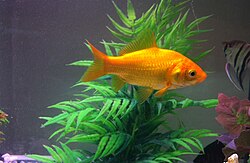
Sudden aggression in goldfish can stem from various factors, ranging from environmental stress to health issues. It is a moderate concern as it can lead to stress and injury among tank mates. Owners should first rule out simple causes before considering more complex solutions.
Goldfish Aggressive: Common Causes
Stressful Environment
Most LikelyHigh ammonia levels, overcrowding, or sudden changes in water parameters can cause stress leading to aggression.
Health Issues
PossibleIllnesses like ich or dropsy can trigger aggression as the fish tries to assert dominance.
Sexual Frustration
PossibleMale goldfish may become aggressive during breeding season due to competition for females.
Maturity
PossibleYoung goldfish can exhibit aggression as they grow and establish dominance.
Poor Diet
Less CommonInsufficient or poor quality food can lead to aggression as the fish competes for food.
How to Diagnose the Cause
Follow these steps in order. Stop when you identify a likely cause and move to treatment.
- Check water parameters for ammonia, nitrite, and nitrate levels.
Use a test kit to ensure the environment is not overly stressful.
Recommended: Ammonia and nitrite test kit - Observe the fish's general health for signs of illness such as bloating, spots, or loss of appetite.
Look for external parasites or internal signs of disease.
- Ensure the tank is well-maintained with regular water changes and clean decor.
A dirty tank can contribute to aggression.
- Check the diet to ensure it's balanced and meets the nutritional needs of goldfish.
Provide a varied diet with high-quality food.
- Assess the tank's social dynamics, including the number of fish and their compatibility.
Too many fish or incompatible tank mates can cause aggression.
How to Treat Goldfish Aggressive
- Lower ammonia and nitrite levels by performing regular water changes and using dechlorinator if necessary.
This will reduce stress on the fish.
- Isolate the aggressive fish if necessary to prevent further injury to tank mates.
Monitor the fish's behavior in isolation to assess if it is stress-related.
- Treat any identified health issues with appropriate medication.
Follow the vet's instructions for dosing and treatment duration.
- Ensure the tank is well-maintained with regular water changes and clean decor.
A clean environment can help reduce stress and aggression.
- Consider a change in the social dynamic by introducing new tank mates or rearranging the tank to provide more hiding spots.
This can help reduce aggression and stress in the tank.
How to Prevent Goldfish Aggressive
When to See a Vet
🔬 AI Symptom Checker
Not sure what's wrong? Describe your fish's symptoms to the FishCare AI and get an instant diagnosis.
Check Symptoms →Frequently Asked Questions
This guide was reviewed for biological accuracy and practical aquarium care guidance. Always test water parameters before treating a sick fish — poor water quality is the most common root cause. Consult an aquatic veterinarian if symptoms persist after 48 hours of correct treatment.
Sources: Merck Veterinary Manual — Aquarium Fishes · UF/IFAS Extension — Fish Health Management