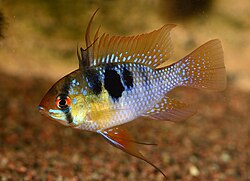
Rapid breathing in German Blue Rams is a critical sign indicating a serious health issue, often due to poor water quality or infection. Immediate action is required to prevent fatal outcomes. Owners should first assess water parameters and look for signs of stress or injury.
German Blue Ram Rapid Breathing: Common Causes
Poor Water Quality
Most LikelyHigh levels of ammonia, nitrite, or nitrate can overwhelm the gills and lead to labored breathing.
Infection
PossibleBacterial or parasitic infections can cause inflammation and impair respiration.
Stress
Less CommonEnvironmental stressors like temperature fluctuations, aggression, or overcrowding can trigger rapid breathing.
How to Diagnose the Cause
Follow these steps in order. Stop when you identify a likely cause and move to treatment.
- Measure the water parameters (ammonia, nitrite, nitrate, pH, and temperature).
Ensure the tank meets the German Blue Ram's specific requirements.
Recommended: test kit - Observe the fish's behavior and appearance for signs of injury or aggression.
Look for open sores, lesions, or abnormal swimming patterns.
- Check the tank for overcrowding or incompatible tankmates.
Ensure the tank environment is conducive to the peaceful nature of German Blue Rams.
How to Treat German Blue Ram Rapid Breathing
- Adjust water parameters to the recommended levels (26.0–30.0°C, 5.5–7.0 pH).
Perform water changes as necessary to maintain optimal conditions.
- Add an aquarium salt like Methylene Blue or aquarium salt to the tank.
This can help manage minor bacterial infections and reduce stress.
- Consider using a broad-spectrum antibiotic or antiparasitic treatment if infection is suspected.
Follow the dosage instructions and monitor the fish closely during treatment.
How to Prevent German Blue Ram Rapid Breathing
When to See a Vet
🔬 AI Symptom Checker
Not sure what's wrong? Describe your fish's symptoms to the FishCare AI and get an instant diagnosis.
Check Symptoms →Frequently Asked Questions
This guide was reviewed for biological accuracy and practical aquarium care guidance. Always test water parameters before treating a sick fish — poor water quality is the most common root cause. Consult an aquatic veterinarian if symptoms persist after 48 hours of correct treatment.
Sources: Merck Veterinary Manual — Aquarium Fishes · UF/IFAS Extension — Fish Health Management