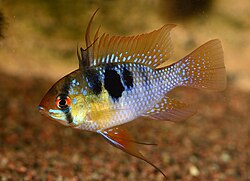
German Blue Rams may not eat due to stress, illness, or poor water quality, which can be critical if prolonged. As intermediate-level care fish, their diet and environment are key. Owners should first check water parameters and offer a varied diet.
German Blue Ram Not Eating: Common Causes
Poor Water Quality
Most LikelyAmmonia or nitrite levels can stress the fish and reduce appetite.
Disease
Most LikelyInfections can cause lethargy and loss of appetite.
Stress
PossibleChanges in the environment, like aggressive tank mates or a new addition, can stress the fish.
Poor Diet
PossibleA lack of variety or nutritional balance can lead to a decreased appetite.
Tank Mates
Less CommonCompetitive or aggressive tank mates can make it difficult for the Blue Ram to eat.
How to Diagnose the Cause
Follow these steps in order. Stop when you identify a likely cause and move to treatment.
- Check the water parameters for ammonia, nitrite, and nitrate using a test kit.
Ensure the tank is within the ideal pH and temperature range for German Blue Rams.
Recommended: test kit - Observe the fish for any signs of illness, such as spots or clamped fins.
Look for signs of stress, such as hiding or loss of color.
- Assess the tank's cleanliness and the behavior of tank mates.
Check for any changes in the tank setup that may have occurred recently.
- Review the feeding schedule and the type of food provided.
Ensure the food is appropriate for their dietary needs and is not over or underfed.
- Consider the possibility of parasites or other unseen issues.
Parasites may be present but not yet visible, so a vet's inspection may be necessary.
How to Treat German Blue Ram Not Eating
- Adjust the water parameters to the optimal range and perform regular water changes.
Use dechlorinator if necessary to remove harmful chemicals.
- Isolate the fish if illness is suspected to prevent the spread to other tank inhabitants.
Treat with appropriate medications as recommended by a vet.
- Provide a varied diet with high-quality flakes, pellets, and live or frozen foods.
Ensure the food is suitable for the fish's dietary requirements.
- Reduce stress by removing aggressive tank mates or providing hiding spots.
Keep the tank environment stable and consistent.
- Monitor the fish's response to changes and seek veterinary assistance if symptoms persist.
Vet may conduct further tests or recommend specific treatments.
How to Prevent German Blue Ram Not Eating
When to See a Vet
🔬 AI Symptom Checker
Not sure what's wrong? Describe your fish's symptoms to the FishCare AI and get an instant diagnosis.
Check Symptoms →Frequently Asked Questions
This guide was reviewed for biological accuracy and practical aquarium care guidance. Always test water parameters before treating a sick fish — poor water quality is the most common root cause. Consult an aquatic veterinarian if symptoms persist after 48 hours of correct treatment.
Sources: Merck Veterinary Manual — Aquarium Fishes · UF/IFAS Extension — Fish Health Management