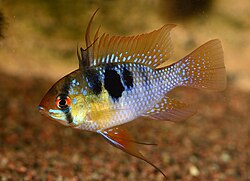
Fuzzy white growth on German Blue Rams, known as Ichthyophthirius multifiliis or ich, is a highly contagious and urgent condition. It can rapidly spread among tank mates and lead to death if not treated promptly. Owners must quickly identify and treat this disease to save their fish.
German Blue Ram Fuzzy Growth: Common Causes
Poor Water Quality
Most LikelyAmmonia and nitrite levels exceeding safe thresholds can stress the fish and make them more susceptible to fungal infections.
High Temperature Fluctuations
PossibleFluctuations outside the ideal range of 26.0–30.0°C can stress the immune system of German Blue Rams, increasing the likelihood of fungal growth.
New Tank Syndrome
PossibleUnycled tanks with low beneficial bacteria populations can't effectively control harmful bacteria, leading to infections.
Stress from Aggression or Trauma
Less CommonStressful conditions such as aggression or physical injury can weaken the fish's immune system, allowing fungi to thrive.
How to Diagnose the Cause
Follow these steps in order. Stop when you identify a likely cause and move to treatment.
- Observe the fish closely for any signs of cotton-like growth on the body, fins, or mouth.
Look for white, fluffy spots that can be seen even under poor lighting conditions.
- Perform a thorough water quality check for ammonia, nitrite, and nitrate levels.
Use a test kit to measure these parameters, aiming for levels at 0 ppm for ammonia and nitrite, and < 20 ppm for nitrate.
Recommended: Water quality test kit - Inspect the tank for any signs of stress or aggression that could be contributing to the problem.
This includes monitoring for fighting, fin-nipping, or unusual behavior patterns.
How to Treat German Blue Ram Fuzzy Growth
- Increase the water temperature to 30°C to speed up the treatment process. Leave it at this temperature for at least a week.
Ensure the tank temperature is gradually increased to avoid shocking the fish.
- Perform frequent water changes, removing at least 50% of the water daily, to lower ammonia and nitrite levels.
Use dechlorinated water for the changes and consider adding an aquarium salt (not salt intended for human consumption) at a rate of 1 teaspoon per 10 gallons to help control the infection.
- Add an antifungal medication like methylene blue to the tank at a recommended dose. Continue treatment for 7-10 days after symptoms disappear.
Follow the manufacturer's instructions for dosing and ensure proper aeration during treatment.
How to Prevent German Blue Ram Fuzzy Growth
When to See a Vet
🔬 AI Symptom Checker
Not sure what's wrong? Describe your fish's symptoms to the FishCare AI and get an instant diagnosis.
Check Symptoms →Frequently Asked Questions
This guide was reviewed for biological accuracy and practical aquarium care guidance. Always test water parameters before treating a sick fish — poor water quality is the most common root cause. Consult an aquatic veterinarian if symptoms persist after 48 hours of correct treatment.
Sources: Merck Veterinary Manual — Aquarium Fishes · UF/IFAS Extension — Fish Health Management