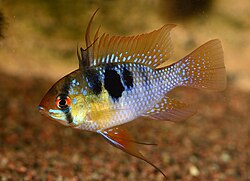
Fin rot in German Blue Rams is a serious bacterial infection that can rapidly progress, potentially leading to death if not addressed promptly. It's crucial to recognize the signs early and initiate treatment immediately, as these fish are sensitive to water quality and stress.
German Blue Ram Fin Rot: Common Causes
Poor Water Quality
Most LikelyHigh levels of ammonia, nitrite, or nitrate can stress the fish and weaken their immune system, making them susceptible to fin rot.
Physical Damage
PossibleAggressive tank mates or handling can cause fin damage, which can lead to secondary infections.
Poor Diet
PossibleLack of proper nutrition can weaken the fish's immune system, increasing the risk of developing fin rot.
Overcrowding
PossibleCrowded tanks with insufficient space for swimming can lead to increased stress and aggression, contributing to fin rot.
Poor Water Circulation
Less CommonInadequate water flow can lead to areas of low oxygen and poor water quality, fostering the growth of bacteria that cause fin rot.
How to Diagnose the Cause
Follow these steps in order. Stop when you identify a likely cause and move to treatment.
- Inspect the fish's fins for any signs of redness, discoloration, or fraying.
Look for areas where the fin edges are deteriorating progressively.
- Test the water parameters for ammonia, nitrite, and nitrate levels.
Ensure the water quality is within the optimal range for German Blue Rams.
Recommended: Water test kit - Check for physical damage to the fins, such as nicks or cuts.
Look for signs of aggression or trauma from handling.
- Observe the fish's behavior and overall health to rule out other stress-related issues.
A healthy fish will exhibit normal swimming patterns and feeding behavior.
- Consult with a veterinarian specializing in fish health to confirm the diagnosis.
A vet can provide additional tests and advice.
How to Treat German Blue Ram Fin Rot
- Improve water quality by changing 25-50% of the tank water daily.
This will help to lower ammonia and nitrite levels and reduce stress on the fish.
- Use an antibacterial treatment specifically designed for aquarium use, following the manufacturer's instructions.
Common treatments include metronidazole or tetracycline.
- Ensure that the tank mates are compatible and not aggressive, as stress can worsen the condition.
Consider isolating the affected fish if necessary.
- Maintain optimal water temperature and pH for German Blue Rams.
Stable water conditions are essential for recovery.
- Provide a balanced diet rich in protein and vitamins to support the fish's immune system.
High-quality flake food or frozen foods can be used to ensure proper nutrition.
How to Prevent German Blue Ram Fin Rot
When to See a Vet
🔬 AI Symptom Checker
Not sure what's wrong? Describe your fish's symptoms to the FishCare AI and get an instant diagnosis.
Check Symptoms →Frequently Asked Questions
This guide was reviewed for biological accuracy and practical aquarium care guidance. Always test water parameters before treating a sick fish — poor water quality is the most common root cause. Consult an aquatic veterinarian if symptoms persist after 48 hours of correct treatment.
Sources: Merck Veterinary Manual — Aquarium Fishes · UF/IFAS Extension — Fish Health Management