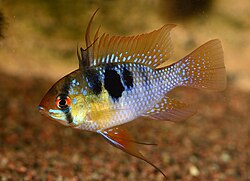
Cloudy eyes in German Blue Rams is a serious condition often indicating a bacterial or parasitic infection. It can lead to blindness if not treated promptly. Owners should first assess the tank conditions, including water quality and stress factors, before taking action.
German Blue Ram Cloudy Eyes: Common Causes
Bacterial Infection
Most LikelyCommonly caused by improper water quality, including high ammonia or nitrite levels.
Parasitic Infection
Most LikelyInfestations with protozoans like Costia can lead to cloudy eyes.
Stress
PossibleStress due to aggression, overcrowding, or sudden changes in water parameters can trigger cloudy eyes.
Poor Diet
Less CommonLack of essential nutrients can weaken the fish's immune system, making it more susceptible to infections.
Genetic Factors
Less CommonIn rare cases, cloudy eyes may be genetic, with no apparent external cause.
How to Diagnose the Cause
Follow these steps in order. Stop when you identify a likely cause and move to treatment.
- Inspect the fish for other signs of disease, such as loss of appetite or clamped fins.
Look for additional symptoms that could indicate the underlying cause.
- Test the water parameters for ammonia, nitrite, and nitrate levels.
High ammonia or nitrite levels can indicate poor water quality and lead to infections.
Recommended: Water test kit - Observe the fish's behavior and interactions with tankmates.
Aggression or stress can contribute to cloudy eyes and should be addressed.
- Perform a physical examination, including looking for parasites or signs of injury.
Use a magnifying glass to detect any external parasites.
Recommended: Magnifying glass - Consult a veterinary guide or forum for similar cases, if necessary.
Other fish owners or experts may have experienced similar issues.
How to Treat German Blue Ram Cloudy Eyes
- Increase the frequency of water changes to maintain optimal water quality.
This will reduce ammonia and nitrite levels, which can help alleviate the condition.
- Administer an appropriate antibiotic or antiparasitic treatment as recommended by a vet.
Follow the vet's instructions carefully to avoid complications.
- Remove any aggressive tankmates or address stress factors, such as overcrowding or poor water quality.
Stress can weaken the fish's immune system and prolong healing.
- Ensure the fish receives a balanced diet with a variety of high-quality foods.
A nutritious diet supports overall health and immune function.
- Monitor the fish closely for any signs of improvement or recurrence of symptoms.
This will help determine the effectiveness of the treatment and any necessary adjustments.
How to Prevent German Blue Ram Cloudy Eyes
When to See a Vet
🔬 AI Symptom Checker
Not sure what's wrong? Describe your fish's symptoms to the FishCare AI and get an instant diagnosis.
Check Symptoms →Frequently Asked Questions
This guide was reviewed for biological accuracy and practical aquarium care guidance. Always test water parameters before treating a sick fish — poor water quality is the most common root cause. Consult an aquatic veterinarian if symptoms persist after 48 hours of correct treatment.
Sources: Merck Veterinary Manual — Aquarium Fishes · UF/IFAS Extension — Fish Health Management