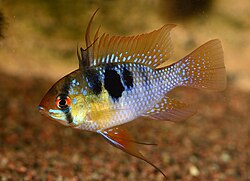
Bloating in German Blue Rams can be a serious issue often indicating internal health problems. It's crucial to address it promptly, as it can lead to organ failure and death. Owners should first assess water parameters and diet, ensuring they are within optimal ranges.
German Blue Ram Bloated or Swollen: Common Causes
Poor Water Quality
Most LikelyAmmonia, nitrite, or nitrate levels can cause stress and internal swelling.
Internal Parasites
PossibleParasites like Capillaria can cause bloating and internal damage.
Overfeeding or Diet Imbalance
PossibleExcess food can lead to constipation and bloating.
Bacterial Infections
PossibleBacteria such as Aeromonas or Columnaris can cause internal inflammation and bloating.
Kidney Disease
Less CommonKidney dysfunction can lead to fluid retention and bloating.
How to Diagnose the Cause
Follow these steps in order. Stop when you identify a likely cause and move to treatment.
- Observe the fish for other signs like loss of appetite, clamped fins, or changes in swimming patterns.
These can be indicative of the underlying cause.
- Test the water for ammonia, nitrite, and nitrate levels.
High levels can stress the fish and contribute to bloating.
Recommended: Water test kit - Inspect the fish for external parasites or wounds.
These can be a sign of internal parasites.
Recommended: Magnifying glass - Evaluate the fish's diet and feeding routine.
Overfeeding or poor diet can cause bloating.
- Check the fish for signs of kidney disease, such as cloudy eyes or changes in gill color.
Kidney issues can lead to bloating.
How to Treat German Blue Ram Bloated or Swollen
- Improve water quality by increasing water changes and using water conditioners to neutralize toxins.
This can alleviate stress and reduce bloating.
- Administer appropriate antibiotics for bacterial infections as directed by a veterinarian.
Antibiotics should be used with caution and only under professional guidance.
- Adjust the diet to include high-quality food and reduce feeding frequency to prevent overeating.
Ensure the diet is balanced and meets the nutritional needs of German Blue Rams.
- Consider a vet-prescribed medication for internal parasites, such as fenbendazole or praziquantel.
These treatments should be given according to the vet's instructions.
- If kidney disease is suspected, consult a vet for specific treatment, which may include medication and supportive care.
Early intervention is crucial for successful treatment of kidney disease.
How to Prevent German Blue Ram Bloated or Swollen
When to See a Vet
🔬 AI Symptom Checker
Not sure what's wrong? Describe your fish's symptoms to the FishCare AI and get an instant diagnosis.
Check Symptoms →Frequently Asked Questions
This guide was reviewed for biological accuracy and practical aquarium care guidance. Always test water parameters before treating a sick fish — poor water quality is the most common root cause. Consult an aquatic veterinarian if symptoms persist after 48 hours of correct treatment.
Sources: Merck Veterinary Manual — Aquarium Fishes · UF/IFAS Extension — Fish Health Management