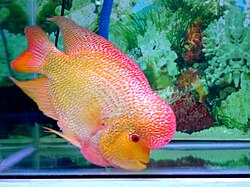
Rapid breathing in Flowerhorn Cichlids is a critical sign of distress, often indicating severe health issues. It's urgent to address as it can lead to organ failure. Owners should first ensure the tank conditions are optimal and rule out any immediate stressors.
Flowerhorn Cichlid Rapid Breathing: Common Causes
Poor Water Quality
Most LikelyHigh ammonia or nitrite levels can overwhelm the gills.
Infection
Most LikelyBacterial or parasitic infections can cause respiratory distress.
Stress
PossibleAggressive tankmates or environmental changes can stress the fish, leading to rapid breathing.
Disease
PossibleConditions like dropsy or swim bladder issues can affect breathing.
Overcrowding
Less CommonInsufficient space can lead to stress and respiratory problems.
How to Diagnose the Cause
Follow these steps in order. Stop when you identify a likely cause and move to treatment.
- Check water parameters for ammonia, nitrite, and nitrate levels.
Use a test kit to ensure the tank's water quality is within the optimal range for Flowerhorn Cichlids.
Recommended: Water test kit - Inspect the fish for signs of injury or parasites.
Look for any external wounds or parasites that might be causing stress or infection.
- Observe tank conditions for stressors.
Check for aggressive tankmates, overcrowding, or sudden changes in water parameters.
- Consider the fish's diet and recent changes.
Ensure the diet is balanced and has not been altered recently, which can cause digestive issues affecting breathing.
- Evaluate the overall health of the fish.
Look for other signs of illness, such as loss of appetite or changes in coloration.
How to Treat Flowerhorn Cichlid Rapid Breathing
- Improve water quality by changing 25-30% of the tank water daily.
This helps to lower ammonia and nitrite levels and maintain a healthy environment.
- Administer appropriate medication if an infection is present.
Follow the vet's instructions for the correct dosage and treatment duration.
- Remove stressors from the tank environment.
Ensure the tank is spacious, and tankmates are compatible with the Flowerhorn Cichlid's temperament.
- Adjust the diet if necessary.
Ensure the fish is receiving a balanced diet that meets its nutritional needs.
- Monitor the fish's progress closely.
Regular observation is crucial to assess the effectiveness of the treatment and make any necessary adjustments.
How to Prevent Flowerhorn Cichlid Rapid Breathing
When to See a Vet
🔬 AI Symptom Checker
Not sure what's wrong? Describe your fish's symptoms to the FishCare AI and get an instant diagnosis.
Check Symptoms →Frequently Asked Questions
This guide was reviewed for biological accuracy and practical aquarium care guidance. Always test water parameters before treating a sick fish — poor water quality is the most common root cause. Consult an aquatic veterinarian if symptoms persist after 48 hours of correct treatment.
Sources: Merck Veterinary Manual — Aquarium Fishes · UF/IFAS Extension — Fish Health Management