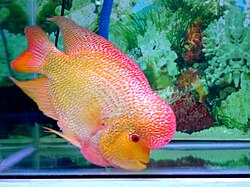
Flowerhorn Cichlid's vibrant colors are a result of healthy pigmentation, but pale or faded coloration can indicate stress, poor diet, or disease. This condition is not usually life-threatening but requires immediate attention to prevent long-term health issues. Owners should first rule out common causes before proceeding with treatment.
Flowerhorn Cichlid Pale Color: Common Causes
Poor Diet
Most LikelyInsufficient or imbalanced nutrition can lead to color loss.
Stress
Most LikelyAggressive tank mates, poor water quality, or sudden changes can stress the fish.
Disease
PossibleParasites or infections can cause color loss, often accompanied by other symptoms.
Age
Less CommonNatural aging can cause color to fade, though this is less common in young to middle-aged fish.
Genetic Factors
Less CommonIn some cases, coloration may be genetically determined, especially in younger fish.
How to Diagnose the Cause
Follow these steps in order. Stop when you identify a likely cause and move to treatment.
- Observe the fish's behavior and overall health.
Look for signs of stress, aggression, or other health issues.
- Check water parameters.
Ensure the pH and temperature are within the optimal range for Flowerhorn Cichlids.
Recommended: pH test kit - Inspect the fish for external parasites or wounds.
Use a magnifying glass to check for signs of parasites or infections.
Recommended: magnifying glass - Review the diet and feeding schedule.
Assess the quality and variety of the food provided.
- Consider the tank environment and tank mates.
Ensure the tank is well-maintained and the fish is not being bullied or stressed.
How to Treat Flowerhorn Cichlid Pale Color
- Improve the diet with high-quality food and color-enhancing supplements.
Provide a varied diet rich in vitamins and minerals.
- Reduce stress by ensuring adequate space, removing aggressive tank mates, and maintaining stable water conditions.
Create a calm and stress-free environment.
- Treat for parasites or infections with appropriate medication.
Follow the vet's instructions for medication and dosages.
- Monitor the fish's response to the changes and adjust treatment as needed.
Keep a close eye on the fish's health and coloration.
- Consider consulting a vet if the coloration does not improve or if other health issues arise.
A vet can provide a more accurate diagnosis and treatment plan.
How to Prevent Flowerhorn Cichlid Pale Color
When to See a Vet
🔬 AI Symptom Checker
Not sure what's wrong? Describe your fish's symptoms to the FishCare AI and get an instant diagnosis.
Check Symptoms →Frequently Asked Questions
This guide was reviewed for biological accuracy and practical aquarium care guidance. Always test water parameters before treating a sick fish — poor water quality is the most common root cause. Consult an aquatic veterinarian if symptoms persist after 48 hours of correct treatment.
Sources: Merck Veterinary Manual — Aquarium Fishes · UF/IFAS Extension — Fish Health Management