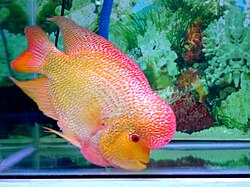
Floating at the surface in Flowerhorn Cichlids is a critical sign of distress, often indicating severe health issues. It can be life-threatening if not addressed promptly. Owners should first ensure the tank conditions are optimal and then consider potential underlying causes.
Flowerhorn Cichlid Floating at Surface: Common Causes
Poor Water Quality
Most LikelyHigh ammonia or nitrite levels can cause stress and lead to surface floating.
Infection
Most LikelyBacterial or parasitic infections can weaken the fish, making it unable to dive.
Malnutrition
PossibleLack of proper nutrition can lead to muscle weakness, causing the fish to float.
Stress
PossibleAggressive tank mates or sudden changes in the environment can stress the fish, resulting in surface floating.
Obesity
Less CommonOverfeeding can lead to obesity, which may prevent the fish from diving to the bottom.
How to Diagnose the Cause
Follow these steps in order. Stop when you identify a likely cause and move to treatment.
- Check water parameters for ammonia, nitrite, and nitrate levels.
Use a reliable test kit to ensure the tank is within the optimal range for Flowerhorn Cichlids.
Recommended: Water test kit - Inspect the fish for signs of injury or parasites.
Look for any lesions, spots, or unusual behavior that might indicate an infection.
- Assess the fish's diet and feeding habits.
Ensure the Flowerhorn Cichlid is receiving a balanced diet that meets its nutritional needs.
- Observe the tank environment for stressors.
Check for aggressive tank mates, sudden changes in water parameters, or other environmental stressors.
- Evaluate the fish's weight and body condition.
Overweight Flowerhorn Cichlids may have difficulty diving. Use a ruler to measure the fish's length and width.
Recommended: Ruler
How to Treat Flowerhorn Cichlid Floating at Surface
- Improve water quality by changing 25-30% of the tank water weekly.
Ensure the new water is treated with a dechlorinator and has the same temperature and pH as the tank water.
- Administer appropriate medication for bacterial or parasitic infections.
Follow the instructions on the medication and monitor the fish's response closely.
- Adjust the diet to ensure proper nutrition and prevent malnutrition.
Provide a balanced diet that includes high-quality fish food and occasional live or frozen foods.
- Reduce stress by minimizing aggressive interactions and ensuring a stable environment.
Remove aggressive tank mates or provide hiding spots to reduce stress.
- If obesity is the issue, reduce the amount of food given and increase exercise opportunities.
Encourage the fish to swim more by providing plants or decorations that require movement to navigate around the tank.
How to Prevent Flowerhorn Cichlid Floating at Surface
When to See a Vet
🔬 AI Symptom Checker
Not sure what's wrong? Describe your fish's symptoms to the FishCare AI and get an instant diagnosis.
Check Symptoms →Frequently Asked Questions
This guide was reviewed for biological accuracy and practical aquarium care guidance. Always test water parameters before treating a sick fish — poor water quality is the most common root cause. Consult an aquatic veterinarian if symptoms persist after 48 hours of correct treatment.
Sources: Merck Veterinary Manual — Aquarium Fishes · UF/IFAS Extension — Fish Health Management