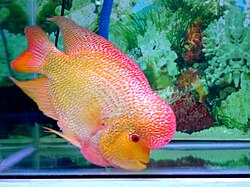
Curved or curled bodies in Flowerhorn Cichlids are often indicative of serious health issues, such as metabolic bone disease or parasitic infections. This condition can be life-threatening and requires immediate attention. Owners should first ensure the fish is not stressed or injured before seeking veterinary care.
Flowerhorn Cichlid Curled Body: Common Causes
Metabolic Bone Disease
Most LikelyLack of calcium or vitamin D3 in the diet can lead to weakened bones and curved spines.
Parasitic Infections
Most LikelyBacterial or parasitic infections can cause internal damage leading to curved bodies.
Poor Water Quality
PossibleHigh ammonia or nitrite levels can stress the fish and lead to physical deformities.
Inadequate Diet
PossibleInsufficient protein or improper feeding schedules can contribute to skeletal issues.
Genetic Factors
Less CommonSome Flowerhorn Cichlids may be predisposed to skeletal deformities due to genetics.
How to Diagnose the Cause
Follow these steps in order. Stop when you identify a likely cause and move to treatment.
- Perform a visual inspection of the fish for any external signs of injury or disease.
Check for any cuts, parasites, or other visible issues.
- Measure the water parameters including ammonia, nitrite, nitrate, pH, and temperature.
Use a water test kit to ensure the water quality is within the optimal range for Flowerhorn Cichlids.
Recommended: Water test kit - Observe the fish's behavior and appetite to assess overall health.
Changes in behavior or appetite can indicate underlying health issues.
- Conduct a physical examination for any internal signs of disease.
This may require sedation or a more invasive procedure, which should be done by a veterinarian.
- Consider the fish's diet and recent changes in its environment.
Ensure the diet is balanced and the environment is stress-free.
How to Treat Flowerhorn Cichlid Curled Body
- Improve water quality by performing regular water changes and maintaining optimal pH and temperature levels.
This will help alleviate stress and reduce the risk of infection.
- Adjust the diet to include a balanced mix of protein and calcium-rich foods.
Ensure the diet is appropriate for Flowerhorn Cichlids and meets their nutritional needs.
- Administer appropriate medications as prescribed by a veterinarian to treat any infections or parasites.
Follow the vet's instructions carefully to avoid complications.
- Provide a stress-free environment with adequate space and no aggressive tank mates.
This will help the fish recover and prevent further injury or stress.
- Monitor the fish's progress and continue treatment as needed.
Regular check-ups are important to ensure the fish is responding well to treatment.
How to Prevent Flowerhorn Cichlid Curled Body
When to See a Vet
🔬 AI Symptom Checker
Not sure what's wrong? Describe your fish's symptoms to the FishCare AI and get an instant diagnosis.
Check Symptoms →Frequently Asked Questions
This guide was reviewed for biological accuracy and practical aquarium care guidance. Always test water parameters before treating a sick fish — poor water quality is the most common root cause. Consult an aquatic veterinarian if symptoms persist after 48 hours of correct treatment.
Sources: Merck Veterinary Manual — Aquarium Fishes · UF/IFAS Extension — Fish Health Management