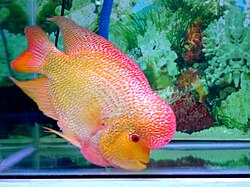
Bulging eyes, or Popeye, in Flowerhorn Cichlids is a serious condition caused by infections or injury. It can lead to blindness and death if not treated promptly. Owners must be aware of the signs and understand the importance of seeking veterinary care immediately.
Flowerhorn Cichlid Bulging Eyes (Popeye): Common Causes
Bacterial Infection
Most LikelyBacterial infections such as Aeromonas hydrophila can cause Popeye, often due to stress or poor water quality.
Poor Water Quality
Most LikelyHigh ammonia or nitrite levels can stress the fish and lead to Popeye.
Physical Injury
PossibleEyes may be damaged by fighting with other fish or collisions with the aquarium walls.
Allergic Reactions
PossibleAllergic reactions to medications or aquarium chemicals can also cause eye bulging.
Metabolic Disorders
Less CommonLess common, metabolic disorders such as kidney disease can lead to Popeye.
How to Diagnose the Cause
Follow these steps in order. Stop when you identify a likely cause and move to treatment.
- Examine the fish's environment
Check water parameters for ammonia, nitrite, and nitrate levels.
Recommended: test kit - Inspect the fish for signs of injury
Look for nipping marks, lacerations, or any visible damage to the eyes.
- Observe fish behavior
A healthy Flowerhorn should be active and bold; a change in behavior may indicate illness.
- Check for signs of infection
Look for any discharge or swelling around the eyes or elsewhere on the body.
- Consult with a veterinarian
If the cause is not apparent, seek veterinary advice for a definitive diagnosis.
How to Treat Flowerhorn Cichlid Bulging Eyes (Popeye)
- Improve water quality
Increase water changes to 30% daily and maintain optimal temperature and pH levels.
- Administer appropriate antibiotics
Follow veterinary guidance on the type and duration of antibiotic treatment.
- Provide supportive care
Ensure the fish has a stress-free environment, possibly isolating it from other aggressive fish.
- Monitor fish response
Regularly observe the fish for any signs of improvement or worsening of the condition.
- Follow up with a vet
Report back to the veterinarian for a follow-up examination and advice on further treatment if needed.
How to Prevent Flowerhorn Cichlid Bulging Eyes (Popeye)
When to See a Vet
🔬 AI Symptom Checker
Not sure what's wrong? Describe your fish's symptoms to the FishCare AI and get an instant diagnosis.
Check Symptoms →Frequently Asked Questions
This guide was reviewed for biological accuracy and practical aquarium care guidance. Always test water parameters before treating a sick fish — poor water quality is the most common root cause. Consult an aquatic veterinarian if symptoms persist after 48 hours of correct treatment.
Sources: Merck Veterinary Manual — Aquarium Fishes · UF/IFAS Extension — Fish Health Management