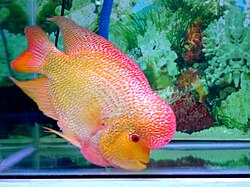
Black spots on Flowerhorn Cichlids, often a sign of stress or parasitic infection, can be a cause for concern. These spots can indicate underlying health issues that require prompt attention. As an intermediate-care fish, understanding the specific needs of Flowerhorn Cichlids is crucial in diagnosing and treating this problem effectively.
Flowerhorn Cichlid Black Spots: Common Causes
Parasitic Infection
Most LikelyBacterial infections like Columnaris can cause black spots, often due to poor water quality or stress.
Poor Water Quality
PossibleAmmonia, nitrite, and nitrate levels can rise, leading to stress and immune system suppression, causing black spots.
Dietary Deficiencies
PossibleLack of essential nutrients in the diet can weaken the fish's immune system, making it susceptible to infections.
Physical Injury
Less CommonAggressive behavior or collisions with decor can cause superficial wounds leading to black spots.
Genetic Factors
Less CommonSome Flowerhorn Cichlids may naturally exhibit dark spots, which can sometimes be mistaken for illness.
How to Diagnose the Cause
Follow these steps in order. Stop when you identify a likely cause and move to treatment.
- Inspect the fish for other signs of illness such as loss of appetite, clamped fins, or lethargy.
Check for external and internal signs of distress.
- Observe water quality parameters, including ammonia, nitrite, and nitrate levels.
Use a water test kit to ensure the water parameters are within the optimal range for Flowerhorn Cichlids.
Recommended: Water test kit - Look for any visible parasites or wounds on the fish's body or fins.
Parasites such as ich or flukes may be visible to the naked eye.
- Analyze the fish's diet to ensure it's nutritionally balanced and free from poor-quality feedings.
Flowerhorn Cichlids require a varied diet of high-quality foods and occasional treats.
- If symptoms persist, consult a veterinarian for further examination and potential medication.
A vet may perform additional tests like a skin scrape or a bacterial culture to confirm the diagnosis.
How to Treat Flowerhorn Cichlid Black Spots
- Improve water quality by performing regular water changes and ensuring a healthy aquarium environment.
Water changes should be 20-30% weekly to maintain good water quality.
- Consider adding an aquarium salt or antibacterial treatment to the water as recommended by a veterinarian.
Follow the dosage instructions carefully and monitor the fish's response.
- Administer an appropriate antibiotic or antiparasitic medication if a bacterial or parasitic infection is diagnosed.
Treatment should be followed strictly as prescribed by the veterinarian.
- Adjust the diet to include high-quality fish food and vitamin supplements if necessary.
A well-balanced diet supports the fish's immune system and recovery.
- Monitor the fish's health closely and provide stress-reducing measures such as a hiding spot in the tank.
Stress can exacerbate the condition, so ensuring a comfortable environment is vital.
How to Prevent Flowerhorn Cichlid Black Spots
When to See a Vet
🔬 AI Symptom Checker
Not sure what's wrong? Describe your fish's symptoms to the FishCare AI and get an instant diagnosis.
Check Symptoms →Frequently Asked Questions
This guide was reviewed for biological accuracy and practical aquarium care guidance. Always test water parameters before treating a sick fish — poor water quality is the most common root cause. Consult an aquatic veterinarian if symptoms persist after 48 hours of correct treatment.
Sources: Merck Veterinary Manual — Aquarium Fishes · UF/IFAS Extension — Fish Health Management