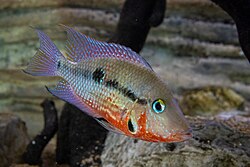
Sinking to the bottom is a critical issue in Firemouth Cichlids, often indicative of severe health concerns. It is crucial to act swiftly, as it may signify internal issues, fin rot, or ammonia poisoning. Understanding the specific needs of your Firemouth Cichlid is key to addressing this issue effectively.
Firemouth Cichlid Sinking to Bottom: Common Causes
Internal Bloating
Most LikelyA bloated stomach can lead to buoyancy issues.
Ammonia or Nitrite Poisoning
Most LikelyHigh levels of these toxic substances can impair gills and swimming ability.
Fin Rot
Most LikelyThis condition weakens fins and can prevent normal swimming.
Disease
PossibleInfections such as Ich can impair swimming and lead to sinking.
Stress or Overcrowding
Less CommonStress can cause the fish to lose energy and struggle to stay afloat.
How to Diagnose the Cause
Follow these steps in order. Stop when you identify a likely cause and move to treatment.
- Inspect the fish for visible signs of injury, disease, or bloating.
Check for open wounds, fin damage, or an abnormally large abdomen.
- Monitor water quality parameters including ammonia, nitrite, and nitrate.
Use a reliable test kit to ensure the levels are within the optimal range for Firemouth Cichlids.
Recommended: Water Test Kit - Assess the water conditions such as pH, temperature, and ammonia levels.
Maintain the water conditions at 24–28°C with a pH of 6.5–7.5, which are crucial for their well-being.
Recommended: pH and Temperature Test Kit - Consider recent changes to the tank environment or diet.
Changes in water parameters or diet can cause stress or digestive issues.
- Observe behavior patterns and diet of the fish over a period.
Changes in feeding behavior or aggression levels can indicate underlying issues.
How to Treat Firemouth Cichlid Sinking to Bottom
- Reduce ammonia and nitrite levels by frequent water changes and maintaining optimal tank parameters.
- Administer antibiotics or antifungals as directed by a vet for any identified infections.
- Treat for fin rot using suitable aquarium medicine, ensuring to follow the instructions closely.
- Provide a well-balanced diet to prevent bloating and improve overall health.
- Ensure the tank has enough swimming space and provide territories to reduce stress and aggression.
How to Prevent Firemouth Cichlid Sinking to Bottom
When to See a Vet
🔬 AI Symptom Checker
Not sure what's wrong? Describe your fish's symptoms to the FishCare AI and get an instant diagnosis.
Check Symptoms →Frequently Asked Questions
This guide was reviewed for biological accuracy and practical aquarium care guidance. Always test water parameters before treating a sick fish — poor water quality is the most common root cause. Consult an aquatic veterinarian if symptoms persist after 48 hours of correct treatment.
Sources: Merck Veterinary Manual — Aquarium Fishes · UF/IFAS Extension — Fish Health Management