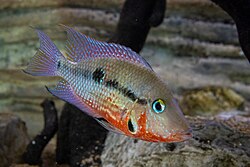
Curved or curled bodies in Firemouth Cichlids often indicate serious health issues, such as metabolic bone disease or parasitic infections. This condition can lead to severe health complications and even death if not addressed promptly. Owners should first rule out common causes before considering treatment.
Firemouth Cichlid Curled Body: Common Causes
Metabolic Bone Disease
Most LikelyLack of vitamin D3 or calcium in the diet can lead to weakened bones and curved spines.
Parasitic Infections
Most LikelyInternal parasites can cause curvature due to internal damage and malnutrition.
Poor Water Quality
PossibleHigh ammonia or nitrite levels can stress the fish and lead to skeletal deformities.
Stress or Aggression
PossibleConstant stress or aggression can cause abnormal posture changes in Firemouth Cichlids.
Congenital Defects
Less CommonRarely, genetic factors can cause congenital skeletal deformities.
How to Diagnose the Cause
Follow these steps in order. Stop when you identify a likely cause and move to treatment.
- Perform a visual inspection of the fish for signs of injury or disease.
Look for external wounds, parasites, or discoloration.
- Check the water parameters for ammonia, nitrite, and nitrate levels.
Use a water test kit to measure these parameters.
Recommended: Water test kit - Observe the fish's diet and ensure it is balanced with appropriate vitamins and minerals.
Firemouth Cichlids require a varied diet including high-quality pellets and live foods.
- Assess the tank environment for stressors such as aggressive tankmates or inadequate space.
Ensure the tank is well-maintained and the fish have appropriate hiding spots.
- Consult with a veterinarian specializing in fish health for a definitive diagnosis and treatment plan.
They may recommend additional tests or treatments.
How to Treat Firemouth Cichlid Curled Body
- Improve water quality by reducing ammonia and nitrite levels.
Use water changes and appropriate filtration to maintain a healthy environment.
- Administer vitamin D3 and calcium supplements if necessary.
Follow the veterinarian's instructions for dosage and frequency.
- Treat parasitic infections with appropriate medication as prescribed by a vet.
Ensure the medication is safe for Firemouth Cichlids and the tank's ecosystem.
- Reduce stress by ensuring adequate space, removing aggressive tankmates, and providing hiding spots.
Monitor the fish's behavior and adjust the tank environment accordingly.
- Continue monitoring the fish's health and adjust treatment as needed.
Regular check-ups are crucial for recovery and long-term health maintenance.
How to Prevent Firemouth Cichlid Curled Body
When to See a Vet
🔬 AI Symptom Checker
Not sure what's wrong? Describe your fish's symptoms to the FishCare AI and get an instant diagnosis.
Check Symptoms →Frequently Asked Questions
This guide was reviewed for biological accuracy and practical aquarium care guidance. Always test water parameters before treating a sick fish — poor water quality is the most common root cause. Consult an aquatic veterinarian if symptoms persist after 48 hours of correct treatment.
Sources: Merck Veterinary Manual — Aquarium Fishes · UF/IFAS Extension — Fish Health Management