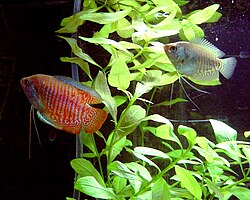
White spots on Dwarf Gouramis, caused by Ichthyophthirius multifiliis, are a serious issue due to their rapid spread and potential for causing organ damage. Owners should act promptly, maintaining optimal water parameters and using targeted treatments. Understanding the causes and treatment protocols is crucial for the fish's survival.
Dwarf Gourami White Spots (Ich): Common Causes
Poor Water Quality
Most LikelyHigh ammonia or nitrite levels can weaken the fish's immune system, making it more susceptible to Ich.
New Tank Syndrome
Most LikelyNewly established tanks with imbalanced water parameters are more prone to Ich outbreaks.
Stress
PossibleStress from overcrowding, aggression, or changes in water conditions can trigger Ich infection.
Poor Diet
PossibleA lack of proper nutrition can weaken the immune system, increasing the likelihood of Ich infection.
Transportation Stress
Less CommonStress during transportation can weaken the fish, making it more vulnerable to Ich.
How to Diagnose the Cause
Follow these steps in order. Stop when you identify a likely cause and move to treatment.
- Observe the fish for symptoms of Ich, such as white spots on the body and fins.
Look for the characteristic salt-grain-like spots.
- Check the water parameters for ammonia, nitrite, and nitrate levels.
Use a test kit to ensure the tank's water quality is within the optimal range for Dwarf Gouramis.
Recommended: Water test kit - Monitor the fish's behavior for signs of stress or aggression.
Dwarf Gouramis are peaceful, so any signs of stress or aggression could indicate underlying issues.
- Review the tank setup and recent changes to the environment or diet.
Changes in the tank can stress the fish and lower their immune response.
- Consider the fish's recent history, including any new additions to the tank or recent transportation.
New fish or transportation can introduce stress and increase the risk of Ich.
How to Treat Dwarf Gourami White Spots (Ich)
- Perform a 25% water change, maintaining the tank's temperature and pH level.
This helps to remove Ich and reduce ammonia and nitrite levels.
- Add an ichthyophthirius-specific treatment to the tank, following the manufacturer's instructions.
Use a product designed to target Ichthyophthirius multifiliis.
- Continue water changes every 24-48 hours, depending on the treatment's instructions.
This helps to keep the Ich population under control and maintain water quality.
- Ensure the fish receives a balanced diet, including high-quality flake food and occasional live or frozen foods.
A nutritious diet supports the fish's immune system during treatment.
- Monitor the fish closely for any signs of improvement or deterioration in health.
Adjust treatment as needed based on the fish's response to the therapy.
How to Prevent Dwarf Gourami White Spots (Ich)
When to See a Vet
🔬 AI Symptom Checker
Not sure what's wrong? Describe your fish's symptoms to the FishCare AI and get an instant diagnosis.
Check Symptoms →Frequently Asked Questions
This guide was reviewed for biological accuracy and practical aquarium care guidance. Always test water parameters before treating a sick fish — poor water quality is the most common root cause. Consult an aquatic veterinarian if symptoms persist after 48 hours of correct treatment.
Sources: Merck Veterinary Manual — Aquarium Fishes · UF/IFAS Extension — Fish Health Management