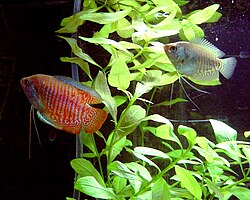
Black spots on Dwarf Gouramis often indicate stress or infections, which can be serious if not addressed promptly. These spots can lead to secondary infections. Owners should first check water quality and stress factors before seeking treatment.
Dwarf Gourami Black Spots: Common Causes
Poor Water Quality
Most LikelyAmmonia, nitrite, and nitrate levels should be kept within safe parameters.
Stress
Most LikelyStress from overcrowding, aggressive tankmates, or changes in environment can lead to black spots.
Poor Diet
PossibleInsufficient nutrients or high levels of dietary protein can contribute to the condition.
Bacterial Infection
PossibleGram-negative bacteria such as Aeromonas can cause black spot disease.
Protozoan Infection
Less CommonProtozoa like Costia can also lead to black spots, especially in stressed fish.
How to Diagnose the Cause
Follow these steps in order. Stop when you identify a likely cause and move to treatment.
- Inspect the fish for any other signs of illness, such as fin rot or clamped fins.
Check for additional symptoms to determine the severity of the condition.
- Test the water parameters for ammonia, nitrite, and nitrate levels.
Use a reliable test kit to measure these levels.
Recommended: Water Test Kit - Check the water quality for cleanliness and ensure the tank is well-aerated.
Ensure the tank is not overstocked and the filter is functioning properly.
- Observe the fish's behavior and diet to identify potential stress factors.
Monitor the fish's activity and feeding patterns to identify stressors.
- Consider the fish's age and overall health to rule out genetic predispositions.
Dwarf Gouramis are generally hardy, but older fish may be more susceptible to infections.
How to Treat Dwarf Gourami Black Spots
- Improve water quality by changing 20-30% of the water weekly.
Maintain stable water parameters to reduce stress on the fish.
- Remove any aggressive tankmates and ensure the tank is not overstocked.
Provide a peaceful environment for the Dwarf Gourami.
- Feeding a balanced diet with high-quality flake food and occasional live or frozen foods.
Ensure the diet is well-rounded and rich in vitamins and minerals.
- Use an appropriate antibiotic or antiprotozoal medication if a bacterial or parasitic infection is confirmed.
Follow the dosage instructions carefully.
- Increase the frequency of water changes to 50% if the condition persists.
This will help to further reduce the risk of infection and stress on the fish.
How to Prevent Dwarf Gourami Black Spots
When to See a Vet
🔬 AI Symptom Checker
Not sure what's wrong? Describe your fish's symptoms to the FishCare AI and get an instant diagnosis.
Check Symptoms →Frequently Asked Questions
This guide was reviewed for biological accuracy and practical aquarium care guidance. Always test water parameters before treating a sick fish — poor water quality is the most common root cause. Consult an aquatic veterinarian if symptoms persist after 48 hours of correct treatment.
Sources: Merck Veterinary Manual — Aquarium Fishes · UF/IFAS Extension — Fish Health Management