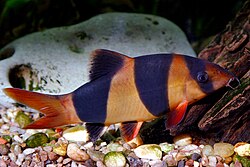
Swimming sideways in Clown Loaches, a common freshwater species, is a critical sign of distress that can indicate severe health issues. It's urgent to identify and treat the cause to prevent long-term disabilities or death. Understanding the specific needs of the Clown Loach, including their water conditions and social dynamics, is crucial in diagnosing and preventing this behavior.
Clown Loach Swimming Sideways: Common Causes
Poor Water Quality
Most LikelyAmmonia and nitrite levels above acceptable levels can stress and weaken Clown Loaches, leading to sideways swimming.
Parasites
PossibleParasites like flukes can affect a Clown Loach's ability to swim properly.
Dietary Deficiencies
PossibleA lack of essential nutrients, particularly omega-3 fatty acids, can impair motor function in Clown Loaches.
Stress from Tank Mates
PossibleAggressive tank mates can cause stress, leading to physical symptoms like swimming sideways.
Bacterial Infections
Less CommonInfections such as Columnaris can impair the fish's muscle function, causing this behavior.
How to Diagnose the Cause
Follow these steps in order. Stop when you identify a likely cause and move to treatment.
- Check water parameters for ammonia, nitrite, and nitrate levels using a test kit.
These are crucial for a Clown Loach's health and can be measured at home.
Recommended: water test kit - Inspect the fish for external parasites like flukes, lice, or fungi.
Use a magnifying glass or a fine net to spot them.
Recommended: magnifying glass - Evaluate the diet for nutrient content, especially omega-3 fatty acids.
Consult with a vet to ensure a balanced diet is being provided.
- Observe the social dynamics of the tank to identify signs of aggression or stress.
Check if other fish are bullying the Clown Loach or causing injury.
- Look for signs of bacterial infections, such as ulcers or fins eroding.
A vet should conduct a thorough examination.
How to Treat Clown Loach Swimming Sideways
- Immediate water changes should be made to reduce ammonia and nitrite levels.
Perform a 50% water change and ensure your filter is functioning correctly.
- Use appropriate medication to treat parasitic infections.
Consult a vet for the best choice of treatment, as some medications are toxic to Clown Loaches.
- Adjust the diet to include omega-3 fatty acid supplements or high-quality flake food rich in these nutrients.
Ensure the fish has access to these supplements at all times.
- Separate the stressed fish from aggressive tank mates or resolve conflicts between them.
Consider a larger tank or the introduction of compatible tank mates.
- Administer appropriate antibiotics as prescribed by a vet to treat bacterial infections.
Follow the vet's instructions carefully for the dosage and duration of treatment.
How to Prevent Clown Loach Swimming Sideways
When to See a Vet
🔬 AI Symptom Checker
Not sure what's wrong? Describe your fish's symptoms to the FishCare AI and get an instant diagnosis.
Check Symptoms →Frequently Asked Questions
This guide was reviewed for biological accuracy and practical aquarium care guidance. Always test water parameters before treating a sick fish — poor water quality is the most common root cause. Consult an aquatic veterinarian if symptoms persist after 48 hours of correct treatment.
Sources: Merck Veterinary Manual — Aquarium Fishes · UF/IFAS Extension — Fish Health Management