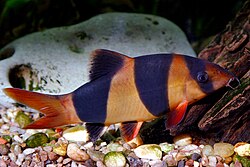
Sunken belly in Clown Loach (Chromobotia macracanthus) is a serious condition indicating malnutrition or internal health issues. It can lead to secondary infections and even death if not addressed promptly. Owners should immediately assess water quality, diet, and overall fish health.
Clown Loach Sunken Belly: Common Causes
Poor Diet
Most LikelyInadequate nutrition or overfeeding can lead to malabsorption and weight loss.
Internal Parasites
PossibleParasitic infections can cause internal damage and malnutrition.
Bacterial Infections
PossibleBacteria like Aeromonas and Pseudomonas can cause internal inflammation and weight loss.
Gastrointestinal Issues
PossibleIssues like blockages or overgrowth can lead to malabsorption and weight loss.
Genetic Factors
Less CommonSome Clown Loaches may have a predisposition to sunken belly, though this is rare.
How to Diagnose the Cause
Follow these steps in order. Stop when you identify a likely cause and move to treatment.
- Observe the fish for other signs of illness such as loss of appetite, bloating, or spots.
Look for external signs of disease.
- Test the water quality for ammonia, nitrite, nitrate, and pH levels.
Ensure the tank parameters are within the optimal range for Clown Loaches.
Recommended: Water test kit - Perform a fecal float to check for internal parasites.
This test can detect the presence of parasites in the fish's gut.
Recommended: Fecal float kit - Conduct a physical examination with a magnifying glass to look for external parasites or lesions.
This is done by gently pressing on the fish's body to check for any unusual areas.
Recommended: Magnifying glass - Consider a veterinary consultation for a more comprehensive examination and treatment plan.
A vet can provide specialized diagnostics and treatment.
How to Treat Clown Loach Sunken Belly
- Adjust the diet to include high-quality, sinking pellets or tablets specifically formulated for loaches.
Ensure the fish is receiving the necessary nutrients.
- Perform water changes regularly to maintain optimal water quality and reduce stress.
Water changes help to prevent secondary infections.
- Administer appropriate medication to treat internal parasites or bacterial infections, as directed by a veterinarian.
Follow the vet's instructions for dosage and treatment duration.
- Ensure the fish is in a stress-free environment with plenty of hiding spots.
Stress can exacerbate the condition.
- Monitor the fish's progress and continue treatment until symptoms resolve.
Patience is key as recovery can take time.
How to Prevent Clown Loach Sunken Belly
When to See a Vet
🔬 AI Symptom Checker
Not sure what's wrong? Describe your fish's symptoms to the FishCare AI and get an instant diagnosis.
Check Symptoms →Frequently Asked Questions
This guide was reviewed for biological accuracy and practical aquarium care guidance. Always test water parameters before treating a sick fish — poor water quality is the most common root cause. Consult an aquatic veterinarian if symptoms persist after 48 hours of correct treatment.
Sources: Merck Veterinary Manual — Aquarium Fishes · UF/IFAS Extension — Fish Health Management