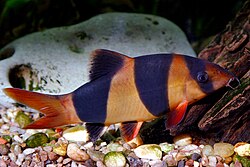
Spots on fins in Clown Loaches can indicate stress, infection, or parasites. These spots can lead to secondary infections and are serious. Owners should first rule out water quality issues and dietary deficiencies before seeking treatment.
Clown Loach Spots on Fins: Common Causes
Ichthyophthirius multifiliis (Ich)
Most LikelyAlso known as 'white spot disease', it affects the skin and fins.
Bacterial Infections
PossibleStaphylococcus or Aeromonas can cause spots on fins, often following stress.
Parasites
PossibleFlukes or other parasites can lead to spots and fin damage.
Poor Water Quality
PossibleAmmonia or nitrite levels can stress the fish and lead to spots.
Dietary Deficiencies
Less CommonLack of vitamins or essential fatty acids can weaken the fins and make them more susceptible to spots.
How to Diagnose the Cause
Follow these steps in order. Stop when you identify a likely cause and move to treatment.
- Observe the fish's behavior and appearance in the tank.
Look for signs of stress, aggression, or changes in swimming patterns.
- Check the water parameters using a test kit.
Measure ammonia, nitrite, nitrate, pH, and temperature.
Recommended: Water test kit - Inspect the fish's fins and body for spots, discoloration, or Velvet disease.
Use a magnifying glass if necessary.
Recommended: Magnifying glass - Gather a sample of the fin spot for a laboratory examination.
This can help identify the specific cause, such as Ich or parasites.
Recommended: Scissors and sterile container - Review the fish's diet and tank environment.
Ensure it's getting a balanced diet and the tank is well-maintained.
How to Treat Clown Loach Spots on Fins
- Increase the tank's water flow to reduce stress and aid in healing.
Use a powerhead or filter to increase flow, if possible.
- Adjust the water parameters to optimal levels for Clown Loaches.
Maintain pH between 6.0 and 7.5, temperature between 25.0 and 30.0°C, and ensure proper filtration.
- Administer appropriate treatments based on the diagnosis. For Ich, use malachite green or formalin.
Follow treatment instructions carefully.
- Ensure the fish has access to hiding spots and good water quality.
This helps prevent further stress and supports healing.
- Monitor the fish's response to treatment and adjust as necessary.
Continue treatment until all spots have resolved and the fish appears healthy.
How to Prevent Clown Loach Spots on Fins
When to See a Vet
🔬 AI Symptom Checker
Not sure what's wrong? Describe your fish's symptoms to the FishCare AI and get an instant diagnosis.
Check Symptoms →Frequently Asked Questions
This guide was reviewed for biological accuracy and practical aquarium care guidance. Always test water parameters before treating a sick fish — poor water quality is the most common root cause. Consult an aquatic veterinarian if symptoms persist after 48 hours of correct treatment.
Sources: Merck Veterinary Manual — Aquarium Fishes · UF/IFAS Extension — Fish Health Management