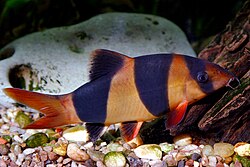
Sinking to the bottom in Clown Loaches is an urgent sign of a serious health issue. It often indicates a systemic problem that requires immediate attention. Owners should first ensure the tank conditions are optimal and consider the fish's recent diet and behavior.
Clown Loach Sinking to Bottom: Common Causes
Internal Parasites
Most LikelyParasitic infections can cause internal damage, leading to weakness and sinking behavior.
Poor Water Quality
Most LikelyHigh ammonia or nitrite levels can stress the fish, causing them to become listless and sink.
Disease
Most LikelyBacterial or fungal infections can weaken the fish, making them unable to maintain buoyancy.
Stress
PossibleStress from tank mates or environmental changes can lead to temporary sinking behavior.
Old Age
Less CommonAs Clown Loaches age, they may become less active and more prone to sinking, especially if they are not well cared for.
How to Diagnose the Cause
Follow these steps in order. Stop when you identify a likely cause and move to treatment.
- Check the tank's water parameters for ammonia, nitrite, and nitrate levels.
Use a reliable test kit to ensure the water quality is within the optimal range for Clown Loaches.
Recommended: Water test kit - Inspect the fish for external signs of disease, such as spots, ulcers, or fin rot.
Gently examine the fish for any abnormalities that might indicate an infection or parasitic infestation.
- Observe the fish's behavior and appetite to assess its overall health.
A change in behavior or loss of appetite can be indicative of underlying health issues.
- Consider recent changes in the tank, such as new tank mates or water changes.
Changes in the tank environment can cause stress and lead to sinking behavior.
- If possible, consult with other Clown Loach owners or a vet to compare experiences and get advice.
Community knowledge can provide additional insights into potential causes and solutions.
How to Treat Clown Loach Sinking to Bottom
- Improve water quality by performing regular water changes and using water conditioners to neutralize ammonia and nitrite.
Maintain a consistent water quality to prevent stress and illness.
- Administer appropriate medication if an infection or parasitic infestation is suspected.
Follow the vet's or manufacturer's instructions carefully.
- Ensure the fish has access to hiding spots and areas to rest, which can help reduce stress.
Provide adequate cover to make the fish feel more secure.
- Monitor the fish's diet and ensure it is receiving a balanced and nutritious diet.
Good nutrition can help support the fish's immune system.
- If stress is the primary issue, consider rearranging the tank or introducing more suitable tank mates.
Create a peaceful environment that promotes well-being and reduces stress levels.
How to Prevent Clown Loach Sinking to Bottom
When to See a Vet
🔬 AI Symptom Checker
Not sure what's wrong? Describe your fish's symptoms to the FishCare AI and get an instant diagnosis.
Check Symptoms →Frequently Asked Questions
This guide was reviewed for biological accuracy and practical aquarium care guidance. Always test water parameters before treating a sick fish — poor water quality is the most common root cause. Consult an aquatic veterinarian if symptoms persist after 48 hours of correct treatment.
Sources: Merck Veterinary Manual — Aquarium Fishes · UF/IFAS Extension — Fish Health Management